
Table of Contents
ToggleChoosing the best preschools for a child is one of the most important decisions parents make. Early education shapes how children learn, socialize, and develop confidence. The right preschool provides a foundation that lasts well beyond kindergarten.
But with so many options available, how does a parent know which program fits their child? This guide breaks down what separates great preschools from average ones. It covers key factors to evaluate, different program types, and the questions every parent should ask before enrolling their child.
Key Takeaways
- The best preschools prioritize play-based learning, low teacher-to-child ratios, and strong parent communication.
- Look for programs with qualified teachers who have early childhood education degrees and ongoing professional development.
- Match your child’s personality to the teaching approach—whether Montessori, Reggio Emilia, Waldorf, or traditional programs.
- Always verify safety requirements including state licensing, background checks, and secure facilities before enrolling.
- Visit multiple preschools in person and observe how teachers interact with children to assess true program quality.
- The best preschools welcome parent questions and provide transparent answers about curriculum, staff, and policies.
What Makes a Preschool Stand Out
The best preschools share certain qualities that set them apart. First, they prioritize play-based learning. Research shows that children ages 3-5 learn most effectively through hands-on activities, imaginative play, and social interaction. A standout preschool balances structured lessons with free exploration.
Teacher-to-child ratios matter significantly. The National Association for the Education of Young Children (NAEYC) recommends a maximum ratio of 1:10 for preschool-aged children. Lower ratios mean more individual attention and better supervision.
Great preschools also foster emotional development. They teach children how to manage feelings, resolve conflicts, and build friendships. These social-emotional skills predict future academic success more reliably than early reading or math instruction.
Another hallmark of quality preschools is parent communication. The best programs keep families informed through regular updates, parent-teacher conferences, and open-door policies. When parents and teachers work as partners, children thrive.
Key Factors to Consider When Choosing a Preschool
Parents should evaluate several factors before selecting a preschool. Not every program works for every child, so matching a family’s values and a child’s needs is essential.
Curriculum and Teaching Approach
Preschool curricula vary widely. Some programs follow structured academic models that emphasize early literacy and numeracy. Others use child-led approaches where kids choose their activities based on their interests.
The Montessori method encourages independence and self-paced learning. Reggio Emilia programs focus on project-based exploration and artistic expression. Waldorf schools emphasize creativity, nature, and minimal technology. Traditional preschools often blend teacher-directed lessons with play time.
Parents should consider their child’s personality. Does the child thrive with structure, or do they need more freedom to explore? The best preschools match their teaching approach to how children actually learn.
Safety, Environment, and Teacher Qualifications
Safety comes first. Parents should verify that a preschool meets state licensing requirements and conducts background checks on all staff. Look for secure entry systems, clean facilities, and well-maintained outdoor play areas.
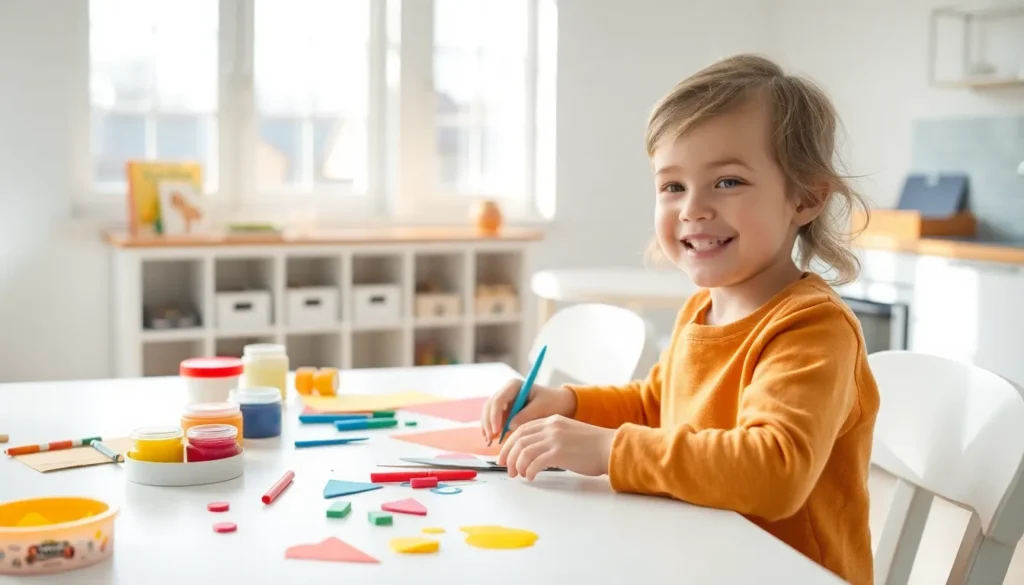
The physical environment matters too. Quality preschools have age-appropriate furniture, organized learning centers, and plenty of natural light. Classrooms should feel welcoming and stimulating, not cluttered or chaotic.
Teacher qualifications directly impact program quality. Look for educators with degrees in early childhood education or related fields. Experienced teachers understand child development stages and know how to support each child’s growth. Ask about ongoing professional development, because the best preschools invest in their staff.
Types of Preschool Programs to Explore
Families have several preschool options to consider. Each type offers distinct advantages depending on a family’s schedule, budget, and educational priorities.
Public Preschools: Many school districts offer free or low-cost preschool programs. These often follow state learning standards and employ certified teachers. Availability may depend on income eligibility or lottery systems.
Private Preschools: These programs range from religious schools to secular academies. Private preschools typically offer smaller class sizes and specialized curricula. Tuition costs vary widely by location and program type.
Cooperative Preschools: Co-op programs require parent participation in classroom activities and administrative tasks. They cost less than traditional private schools and create strong community bonds among families.
Home-Based Preschools: Some educators run small programs from their homes. These settings offer intimate environments with very low child-to-teacher ratios. Parents should confirm proper licensing and insurance.
Head Start Programs: Federally funded Head Start programs serve low-income families at no cost. They provide comprehensive services including health screenings, nutrition support, and family engagement activities.
The best preschools fit a family’s practical needs while delivering high-quality early education. Parents should visit multiple programs before making a decision.
Questions to Ask During Your Preschool Visit
A preschool visit reveals more than any website or brochure. Parents should observe classrooms in action and ask pointed questions.
About the Program:
- What is your educational philosophy?
- How do you assess children’s progress?
- What does a typical day look like?
- How do you handle transitions between activities?
About Safety and Health:
- What are your illness policies?
- How do you handle allergies and dietary restrictions?
- What emergency procedures do you follow?
- Are all staff trained in CPR and first aid?
About Communication:
- How often will I receive updates about my child?
- What is your policy on parent visits?
- How do you handle behavioral concerns?
About Staff:
- What qualifications do your teachers have?
- What is your staff turnover rate?
- How do you support teacher development?
Pay attention to how children interact with teachers during the visit. Do teachers get down to eye level with kids? Do they speak respectfully and redirect behavior gently? These observations reveal more about program quality than any answer to a direct question.
The best preschools welcome parent questions and provide transparent answers. Hesitation or defensiveness signals potential concerns.