Table of Contents
TogglePreschoolers for beginners can feel overwhelming at first. Children between ages three and five experience rapid changes in how they think, play, and interact with others. Parents often wonder what’s normal, what needs attention, and how to support their child’s growth during this stage.
This guide breaks down everything new parents need to know about preschoolers. From developmental milestones to communication tips and behavior management, each section offers practical advice. Understanding preschoolers helps parents build stronger connections and create supportive environments for their children.
Key Takeaways
- Preschoolers for beginners becomes manageable when parents understand that ages three to five involve rapid physical, social, and cognitive development.
- Children at this stage grow their vocabulary from about 1,000 words at age three to over 2,500 by age five, making communication skills essential.
- Use simple language, offer choices, and get down to their eye level to communicate effectively with preschoolers.
- Consistent daily routines reduce anxiety and tantrums while creating natural learning opportunities throughout the day.
- Tantrums and defiance are developmentally normal—stay calm, set clear boundaries, and watch for triggers like hunger or fatigue.
- Encourage open-ended play with blocks, art supplies, and dress-up clothes to spark creativity and support healthy development.
Understanding the Preschool Age
The preschool age spans from three to five years old. During this period, children develop foundational skills that shape their future learning and social abilities. Parents raising preschoolers for beginners should understand what makes this stage unique.
Preschoolers begin to see themselves as individuals separate from their parents. They form opinions, express preferences, and test boundaries. This independence is healthy, it shows cognitive and emotional growth.
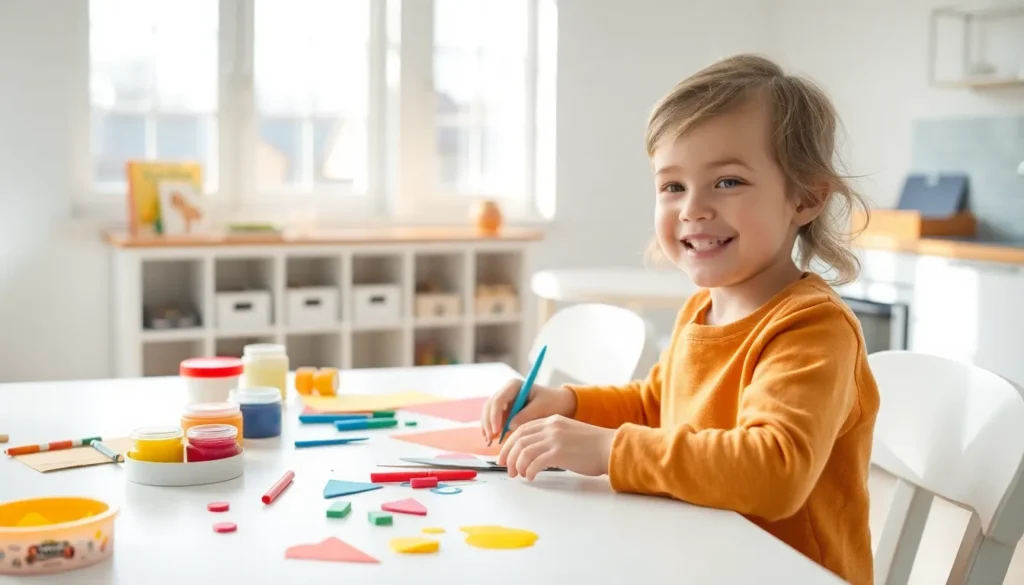
Physically, preschoolers gain better control over their bodies. They run, jump, climb, and start to master fine motor skills like holding crayons or using scissors. Their energy levels seem endless, which is completely normal.
Socially, children at this age move from parallel play (playing beside other children) to interactive play. They start forming friendships, sharing toys, and learning to take turns. Conflicts happen frequently as they figure out social rules.
Cognitively, preschoolers ask countless questions. “Why” becomes their favorite word. This curiosity drives their learning. They begin to understand basic concepts like colors, shapes, numbers, and letters. Their imaginations flourish, and pretend play becomes a major activity.
Key Developmental Milestones
Parents of preschoolers for beginners benefit from knowing what milestones to expect. These benchmarks help track progress and identify areas that might need extra support.
Physical Milestones
By age three, most children can walk up stairs using alternating feet, kick a ball, and pedal a tricycle. Four-year-olds typically hop on one foot and catch a bounced ball. Five-year-olds often skip, somersault, and use utensils with ease.
Fine motor skills progress quickly during preschool years. Children learn to draw basic shapes, cut with scissors, and button their clothes. These skills prepare them for writing and other school activities.
Language Milestones
Preschoolers experience a language explosion. Three-year-olds speak in sentences of three to four words. By five, most children speak clearly in full sentences and tell simple stories.
Vocabulary grows rapidly, from about 1,000 words at age three to 2,500 or more by age five. Preschoolers begin understanding grammar rules, though they often make charming mistakes like “I goed to the store.”
Social and Emotional Milestones
Children at this age start recognizing emotions in themselves and others. They develop empathy and may comfort a crying friend. They also learn to express their feelings with words instead of actions.
Preschoolers form their first real friendships. They prefer certain playmates and engage in cooperative games. They begin to understand rules and the concept of fairness, though sharing remains difficult sometimes.
Effective Communication Strategies
Communication with preschoolers requires patience and specific techniques. Parents learning about preschoolers for beginners often find that small changes in how they talk make big differences.
Get on Their Level
Physically kneel or sit to make eye contact with children. This position shows respect and helps them focus. Preschoolers respond better when they don’t have to look up at adults towering over them.
Use Simple, Clear Language
Preschoolers process information slowly. Short sentences work best. Instead of “Please go upstairs, brush your teeth, put on your pajamas, and pick out a book,” break it into single steps.
Give Choices
Offering two acceptable options helps preschoolers feel in control. “Do you want to wear the red shirt or the blue shirt?” works better than “Get dressed.” This approach reduces power struggles and builds decision-making skills.
Listen Actively
Preschoolers have important things to say, at least to them. Give full attention when they speak. Repeat back what they said to show understanding. This practice validates their feelings and teaches good communication habits.
Name Emotions
Help preschoolers identify feelings by naming them. “You seem frustrated because the blocks fell down” teaches emotional vocabulary. Children who can name their emotions manage them better.
Creating a Positive Learning Environment
Preschoolers learn through play, exploration, and daily routines. Parents of preschoolers for beginners can create spaces and schedules that encourage natural learning.
Set Up Learning Spaces
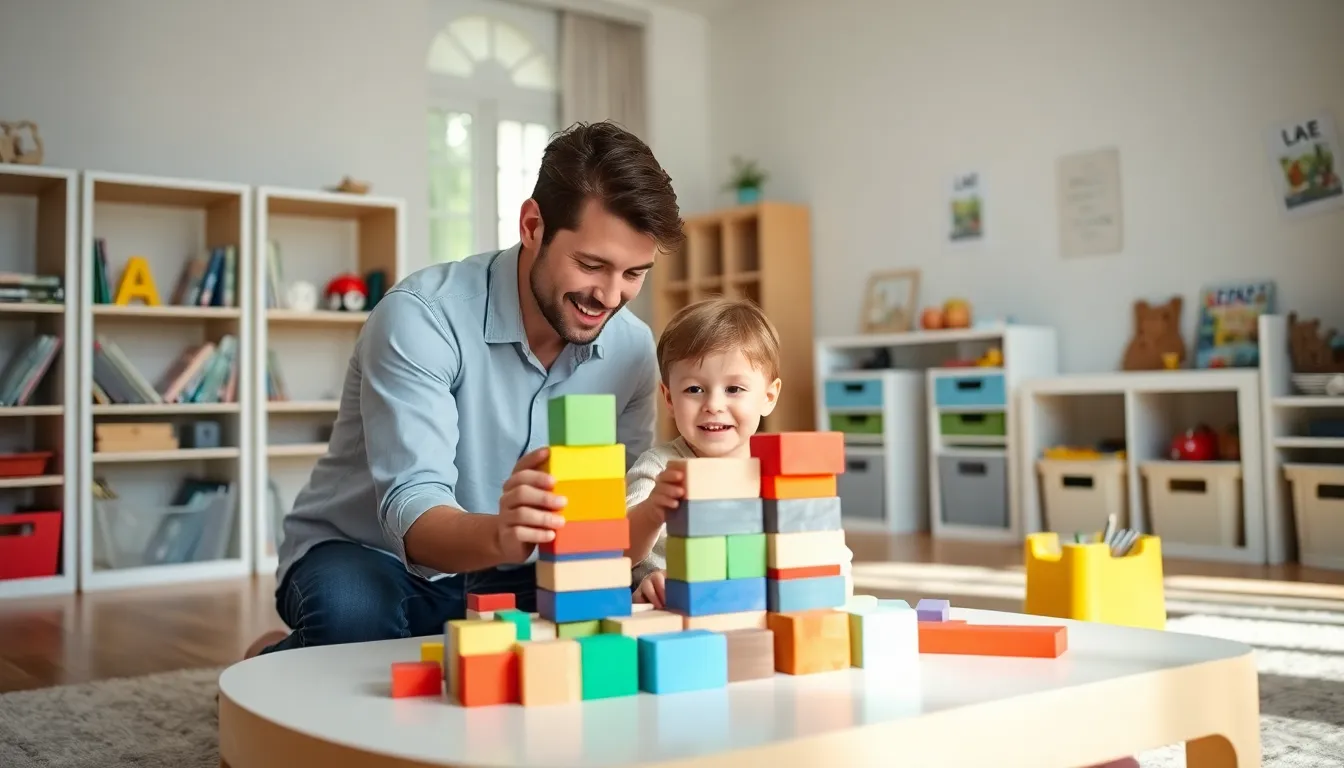
Designate areas for different activities. A reading corner with books at child height invites exploration. An art station with accessible supplies encourages creativity. A block or building area develops spatial awareness.
Keep materials organized and within reach. Preschoolers are more independent when they can access and put away their own supplies.
Establish Consistent Routines
Preschoolers thrive on predictability. Regular schedules for meals, naps, play, and bedtime reduce anxiety and tantrums. Children feel secure when they know what comes next.
Build learning into daily routines. Count steps while climbing stairs. Identify colors during snack time. Sing alphabet songs during car rides. These simple activities reinforce concepts naturally.
Encourage Open-Ended Play
Toys that allow multiple uses spark creativity. Blocks, play dough, dress-up clothes, and art supplies engage preschoolers longer than single-purpose toys. Let children lead their play without constant direction.
Read Together Daily
Reading aloud develops vocabulary, listening skills, and a love of books. Aim for at least 15 to 20 minutes of reading each day. Ask questions about the story and let children turn pages.
Managing Common Behavioral Challenges
Behavioral challenges are normal during preschool years. Parents of preschoolers for beginners often struggle with tantrums, defiance, and aggression. Understanding why these behaviors happen makes them easier to address.
Tantrums
Preschoolers have big emotions and limited self-control. Tantrums occur when children feel overwhelmed, tired, or frustrated. Stay calm during outbursts, children mirror adult reactions.
Prevent tantrums by watching for triggers. Hunger, fatigue, and overstimulation cause most meltdowns. Address basic needs before situations escalate.
Defiance and Testing Limits
Saying “no” helps preschoolers establish independence. This behavior, while exhausting, is developmentally appropriate. Pick battles carefully and offer choices when possible.
Stay consistent with rules and consequences. Preschoolers test limits repeatedly to see if boundaries hold. Clear, calm enforcement teaches that rules matter.
Aggression
Hitting, biting, and pushing happen when preschoolers lack words for their feelings. Teach alternative responses: “Use your words. Tell him you’re angry.”
Remove children from situations immediately after aggressive acts. Keep corrections brief and matter-of-fact. Lengthy explanations confuse young children.
Separation Anxiety
Many preschoolers struggle when parents leave. Create consistent goodbye rituals. Keep departures brief and positive. Reassure children that parents always come back.