Table of Contents
TogglePreschoolers tools play a vital role in shaping how young children learn, grow, and interact with the world around them. Between ages three and five, children develop critical cognitive, motor, and social skills. The right tools support this growth in meaningful ways.
Parents and educators often wonder which resources make the biggest difference. The answer depends on understanding how preschoolers learn best, through hands-on exploration, creative play, and repetition. This article covers the types of preschoolers tools that matter most, how to select age-appropriate options, and safety considerations every caregiver should know.
Key Takeaways
- Preschoolers tools support cognitive, motor, and social development during the critical ages of three to five.
- Hands-on tools like crayons, scissors, and building blocks strengthen fine motor skills and prepare children for writing.
- Open-ended preschoolers tools such as blocks and art supplies grow with children and encourage creativity without frustration.
- Choose quality over quantity—durable, well-made tools provide better learning value than cheap alternatives.
- Always prioritize safety by checking for choking hazards, using non-toxic materials, and supervising tool use appropriately.
- Match tools to the child’s developmental stage to provide manageable challenges without overwhelming them.
Why Tools Matter for Preschool-Age Children
Children between three and five years old experience rapid brain development. During this period, they build foundational skills that influence future learning. Preschoolers tools provide structured opportunities for practice and discovery.
Physical tools like crayons, scissors, and building blocks help children strengthen hand muscles. This prepares them for writing and other precise tasks. Creative tools encourage self-expression and problem-solving. Educational tools introduce letters, numbers, and patterns in engaging ways.
Research shows that hands-on learning improves retention in young children. A 2023 study from the American Academy of Pediatrics found that preschoolers who regularly used manipulative toys scored higher on early literacy assessments. Tools give children something concrete to touch, move, and explore.
Beyond academic benefits, preschoolers tools support emotional development. When children complete a puzzle or finish an art project, they experience accomplishment. This builds confidence and encourages persistence. Tools also create opportunities for cooperative play, teaching children how to share, take turns, and communicate.
The key is matching tools to developmental stages. A tool that frustrates a three-year-old might delight a five-year-old. Understanding this connection helps caregivers select resources that challenge without overwhelming.
Types of Tools That Support Preschool Development
Preschoolers tools fall into several categories, each targeting different developmental areas. A balanced collection addresses cognitive, physical, creative, and social growth.
Art and Creativity Tools
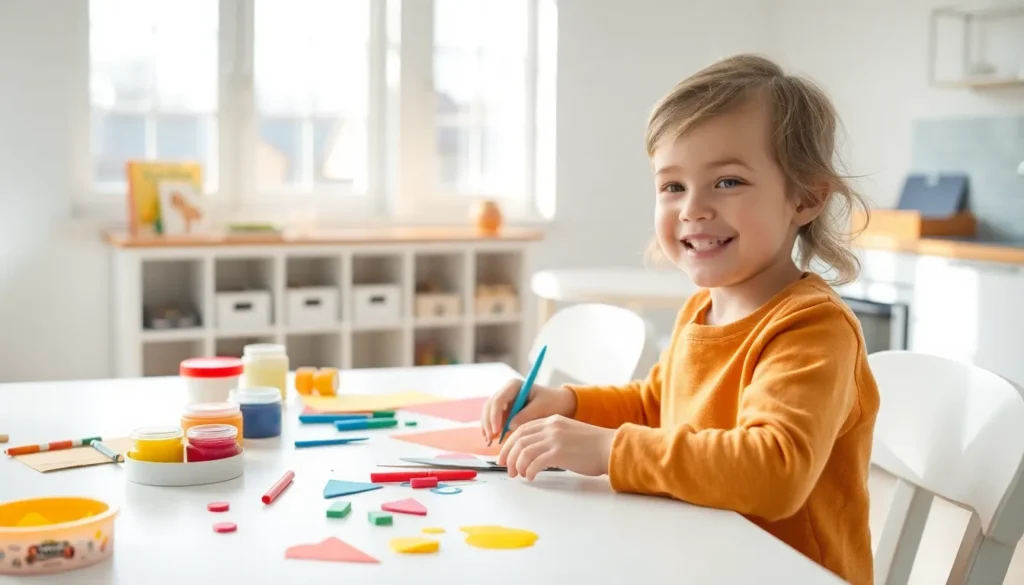
Art supplies rank among the most valuable preschoolers tools available. Crayons, markers, finger paints, and colored pencils let children experiment with color and form. These tools build hand-eye coordination while encouraging imagination.
Play dough and modeling clay offer three-dimensional creative options. Children can roll, squeeze, pinch, and shape these materials. This strengthens hand muscles and introduces basic concepts like size and proportion.
Collage materials, paper scraps, stickers, fabric pieces, and glue sticks, teach children about composition and texture. Open-ended art projects have no wrong answers, which reduces frustration and promotes experimentation.
Musical instruments designed for young children also fall into this category. Simple drums, shakers, xylophones, and tambourines introduce rhythm and sound patterns. Music activities improve listening skills and provide a physical outlet for energy.
Fine Motor Skill Tools
Fine motor development prepares children for writing, buttoning clothes, and other precise movements. Several preschoolers tools target this skill set directly.
Child-safe scissors teach cutting techniques. Start with plastic scissors and thick paper, then progress to metal scissors with rounded tips as coordination improves. Cutting activities strengthen the small muscles between thumb and fingers.
Lacing cards and threading beads develop hand-eye coordination and patience. Children must guide a string through holes or beads, which requires focus and control.
Tweezers and tongs designed for small hands turn sorting activities into motor skill exercises. Children can transfer pom-poms, cotton balls, or small toys from one container to another.
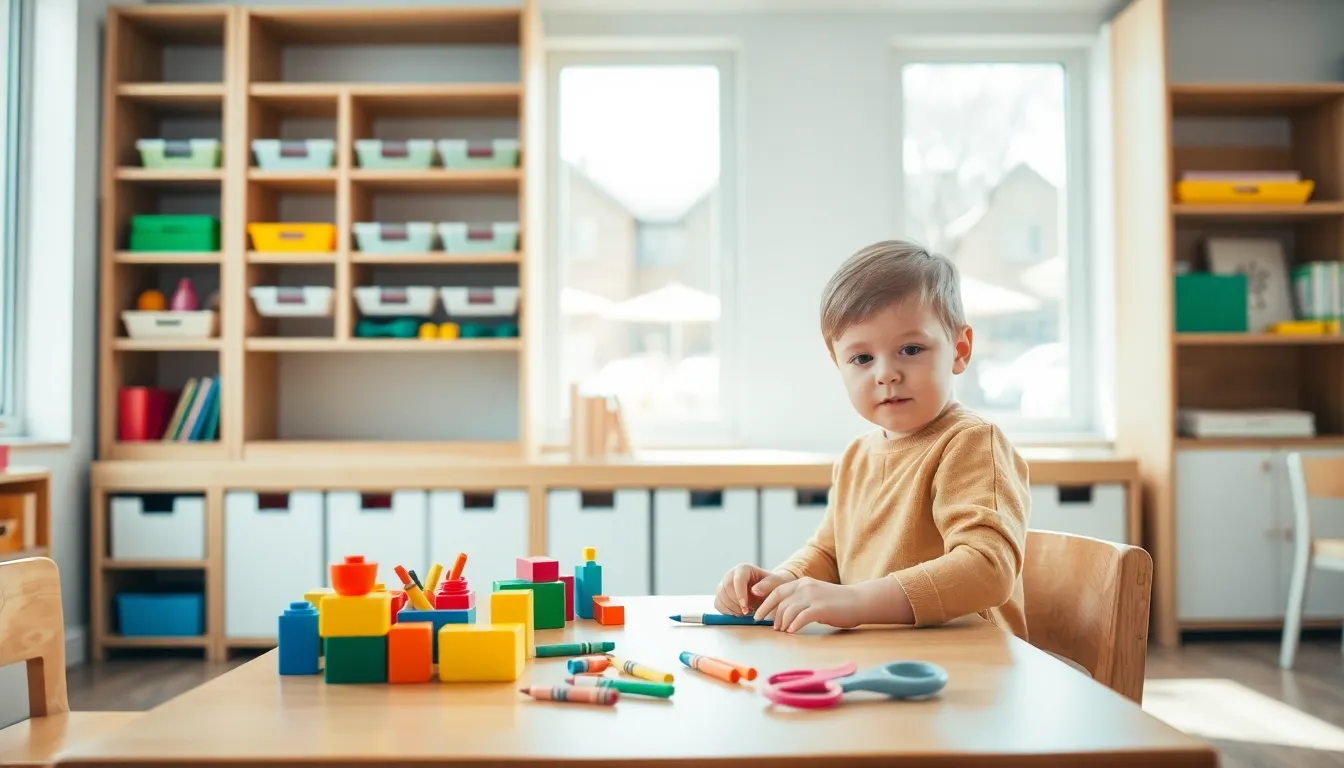
Building blocks and construction sets combine fine motor practice with spatial reasoning. Stacking, connecting, and balancing pieces requires steady hands and careful planning. LEGO Duplo sets work well for preschoolers because the pieces are large enough to grasp easily.
How to Choose Age-Appropriate Tools for Preschoolers
Selecting the right preschoolers tools requires attention to developmental readiness, safety, and educational value. Not every product marketed to young children delivers genuine benefits.
Start by considering the child’s current abilities. A three-year-old typically has less hand strength and coordination than a five-year-old. Choose tools that offer manageable challenges. If a tool causes consistent frustration, it may be too advanced.
Look for preschoolers tools that allow open-ended use. Blocks can become towers, roads, or animals depending on the child’s imagination. Art supplies produce different results every time. Open-ended tools grow with children because they can be used in increasingly sophisticated ways.
Check age recommendations on packaging, but use them as guidelines rather than rules. Some children develop faster or slower than average. Observe how the child interacts with different tools to gauge readiness.
Quality matters more than quantity. A few well-made preschoolers tools provide better value than many cheap alternatives. Durable materials withstand heavy use and feel satisfying in small hands. Wooden blocks, quality crayons, and sturdy scissors last for years.
Consider storage and organization. Preschoolers benefit from being able to access and put away their own tools. Clear containers, low shelves, and labeled bins help children develop independence and responsibility.
Avoid tools with excessive electronic features. Flashing lights and recorded sounds can distract from actual learning. Simple tools that respond directly to children’s actions teach cause and effect more effectively.
Using Tools Safely With Young Children
Safety remains the top priority with any preschoolers tools. Young children put objects in their mouths, throw things, and lack awareness of potential hazards. Supervision and proper setup reduce risks significantly.
Always check for choking hazards. Any piece smaller than 1.25 inches in diameter can pose a risk. This includes broken crayon pieces, small beads, and loose parts from construction sets. Regular inspection catches wear and damage before problems occur.
Teach proper tool use from the start. Show children how to hold scissors correctly, how to cap markers, and how to handle materials respectfully. Demonstrations work better than verbal instructions alone for this age group.
Create a designated space for tool use. A child-sized table and chair provide an appropriate work surface. Good lighting reduces eye strain during detailed activities. Easy-to-clean surfaces make cleanup simple.
Store preschoolers tools properly between uses. Sharp items like scissors belong in closed containers out of reach until needed. Art supplies stay fresher when stored in airtight containers.
Set clear expectations about supervision. Some tools require adult presence at all times. Others can be used independently once children demonstrate competence. Adjust rules as children mature and gain experience.
Non-toxic materials are essential for preschoolers tools. Check labels for AP (Approved Product) seals from the Art & Creative Materials Institute. This certification indicates the product has been evaluated for safety.