Table of Contents
ToggleTop preschoolers display exceptional abilities that set them apart during the earliest years of learning. These children often show advanced language skills, intense curiosity, and strong problem-solving abilities before they turn five. Recognizing these traits early gives parents and educators a chance to nurture potential effectively.
Every child develops at their own pace. But, some preschoolers demonstrate skills well beyond their age group. They might read simple words at three, ask deep questions about how things work, or show remarkable memory retention. Understanding what distinguishes top preschoolers helps caregivers provide the right support at the right time.
This guide covers the signs of exceptional early development, key milestones to monitor, and practical strategies for parents. It also explores how to select a preschool program that matches a child’s unique needs.
Key Takeaways
- Top preschoolers often display advanced language skills, intense curiosity, strong memory, and creative problem-solving abilities before age five.
- Key milestones to watch include early reading, counting beyond 20, asking complex questions, and showing empathy beyond their years.
- Parents can support advanced learners by following their child’s interests, asking open-ended questions, and reading together daily.
- An enriching home environment with open-ended materials like blocks, art supplies, and books encourages creativity and independence.
- When choosing a preschool, look for differentiated instruction, qualified teachers, small class sizes, and a balance of academics with play.
- Trust your instincts when selecting a program—choose a setting where your child feels challenged, supported, and happy.
What Makes a Preschooler Stand Out
Top preschoolers share certain characteristics that distinguish them from their peers. These traits appear across cognitive, social, and emotional development.
Advanced Language Skills
Exceptional preschoolers often speak in complete sentences earlier than expected. They use a large vocabulary and ask complex questions. A three-year-old might ask “Why does the moon follow us in the car?” instead of simply pointing and saying “moon.”
Strong Memory and Focus
These children remember details from books, conversations, and experiences with surprising accuracy. They can concentrate on activities for longer periods than typical peers. A top preschooler might spend 30 minutes building a complex block structure while others lose interest after five minutes.
Intense Curiosity
High-ability preschoolers want to understand how everything works. They don’t accept simple answers. They ask follow-up questions and connect ideas across different topics. This curiosity drives them to explore books, puzzles, and hands-on activities independently.
Creative Problem-Solving
When faced with challenges, standout preschoolers try multiple approaches. They think flexibly and adapt their strategies. If one method fails, they quickly attempt another without frustration.
Social Awareness
Many top preschoolers show empathy beyond their years. They notice when classmates feel sad and offer comfort. They also grasp social rules faster, though they may prefer conversations with older children or adults who match their intellectual level.
Key Developmental Milestones to Watch
Parents and educators should monitor specific milestones that indicate advanced development in preschoolers. These benchmarks help identify children who may benefit from additional enrichment.
Cognitive Milestones (Ages 3-5)
- Recognizes letters and begins reading simple words by age 4
- Counts beyond 20 and understands basic addition concepts
- Sorts objects by multiple attributes (color, size, and shape simultaneously)
- Completes puzzles designed for older children
- Grasps cause-and-effect relationships quickly
Language Milestones
- Uses sentences with 5+ words consistently by age 3
- Tells detailed stories with a beginning, middle, and end
- Understands and uses figurative language or humor
- Asks “why” and “how” questions frequently
- Defines words or explains concepts to others
Social-Emotional Milestones
- Shows concern for others’ feelings without prompting
- Negotiates conflicts with peers using words
- Demonstrates patience when waiting for turns
- Expresses emotions appropriately for their age
- Forms meaningful friendships based on shared interests
Motor Skills
Top preschoolers often excel in fine motor tasks like drawing detailed pictures, cutting with scissors precisely, or writing letters. Their gross motor skills may also advance quickly, showing coordination in running, jumping, and climbing.
Keep in mind that development varies widely. A child might show exceptional abilities in one area while developing typically in others. This unevenness is common among gifted young children.
How Parents Can Support Advanced Learners
Parents play a critical role in nurturing top preschoolers. The right approach encourages growth without creating pressure.
Follow the Child’s Lead
Observe what captures your child’s attention. If they love dinosaurs, provide books, documentaries, and museum visits about paleontology. Interest-driven learning sticks better than forced instruction.
Ask Open-Ended Questions
Instead of yes-or-no questions, ask prompts that encourage thinking. “What do you think will happen next?” or “How would you solve this?” builds critical thinking skills.
Read Together Daily
Reading remains the single most effective activity for developing language and cognitive abilities. Choose books slightly above their current level to stretch vocabulary. Discuss the stories, predict outcomes, and connect themes to real life.
Limit Screen Time Thoughtfully
Quality matters more than quantity. Educational apps and shows can supplement learning, but hands-on exploration builds deeper understanding. Balance digital content with physical play and creative activities.
Creating an Enriching Environment at Home
The home environment shapes how top preschoolers develop their abilities. Small changes make a big difference.
Designate Learning Spaces
Create areas for reading, art, building, and imaginative play. Stock these spaces with age-appropriate materials that challenge without frustrating. Rotate toys and books to maintain interest.
Provide Open-Ended Materials
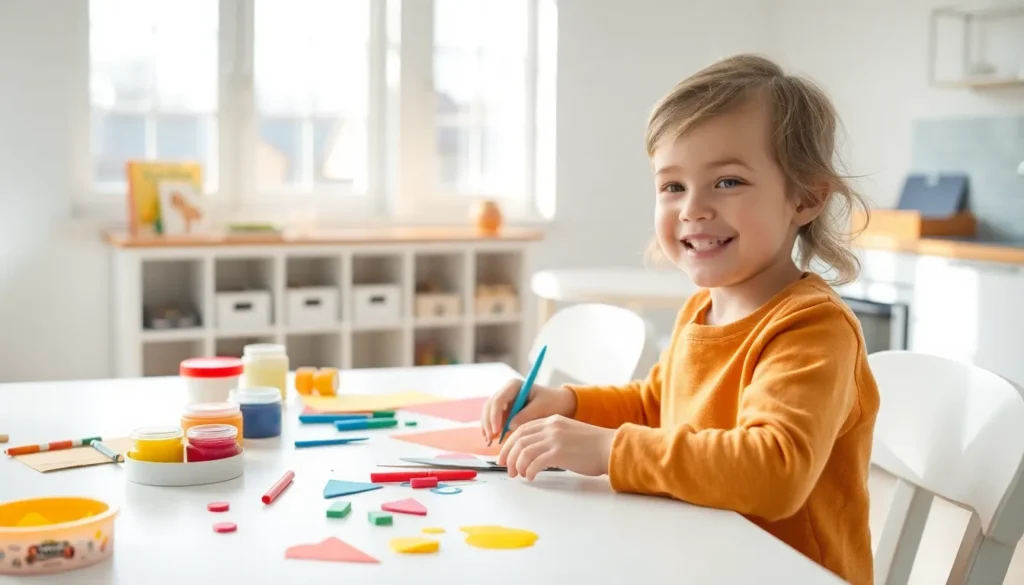
Blocks, art supplies, playdough, and dress-up clothes encourage creativity. These materials have no single “correct” use, which allows children to experiment and invent.
Encourage Independence
Let preschoolers make choices about their activities. Allow them to struggle briefly before offering help. This builds confidence and persistence, qualities that serve top preschoolers throughout their education.
Model Curiosity
Children learn by watching adults. Show enthusiasm for learning new things yourself. Wonder aloud, look up answers together, and admit when you don’t know something.
Choosing the Right Preschool Program
Selecting a preschool program for an advanced child requires careful consideration. Not every program meets the needs of top preschoolers.
Look for Differentiated Instruction
The best programs adjust activities based on each child’s level. Teachers should offer extension activities for children who master concepts quickly. Ask how the program handles diverse ability levels within one classroom.
Evaluate Teacher Qualifications
Teachers with early childhood education degrees understand child development deeply. They recognize signs of giftedness and know how to respond appropriately. Ask about ongoing professional development opportunities for staff.
Observe Classroom Dynamics
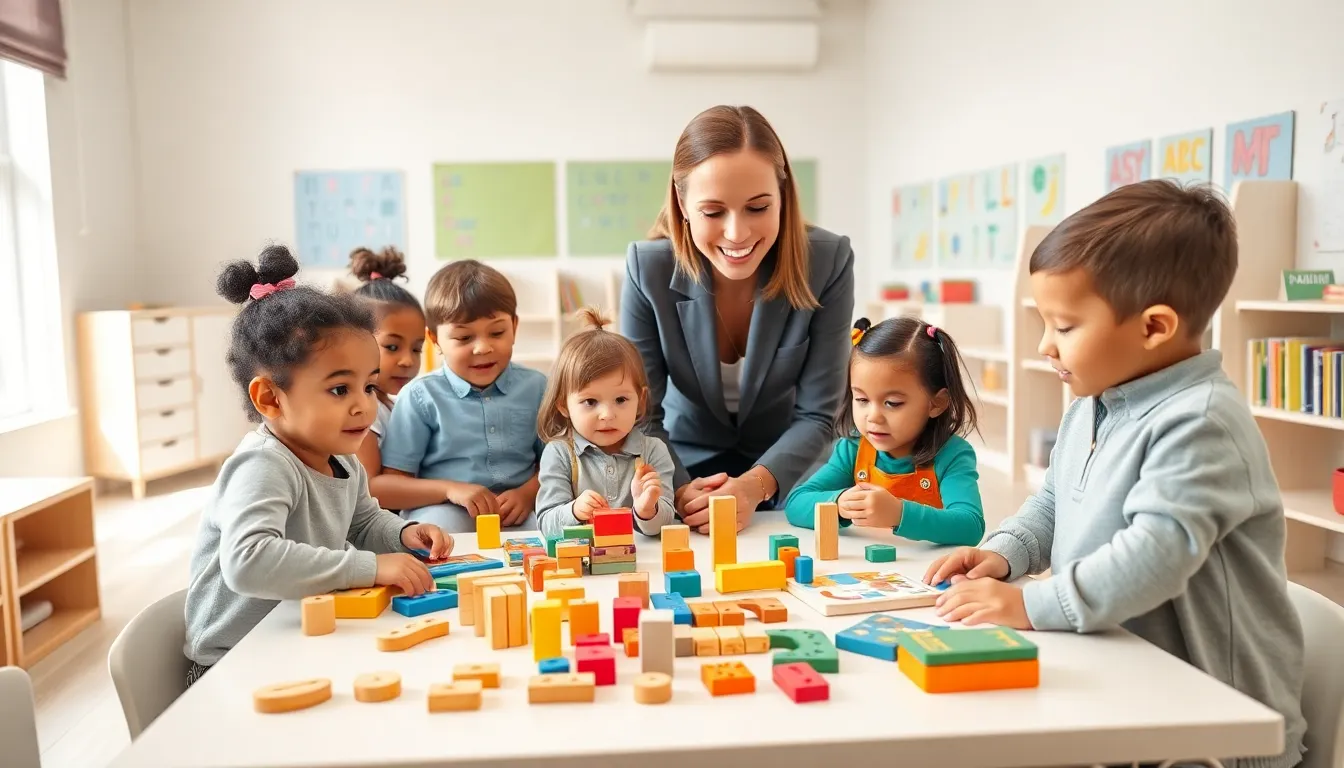
Visit during regular hours. Watch how teachers interact with children. Do they ask thoughtful questions? Do they encourage exploration? A classroom filled with student artwork and projects suggests hands-on learning.
Consider Class Size and Ratios
Smaller class sizes allow teachers to give individual attention. Look for programs with low student-to-teacher ratios. Top preschoolers benefit from personalized interaction.
Assess the Curriculum
Strong preschool programs balance academics with play. They integrate literacy, math, science, and social skills naturally throughout the day. Avoid programs that emphasize worksheets over exploration.
Ask About Social-Emotional Learning
Gifted children sometimes struggle socially because they think differently than peers. Good programs teach emotional regulation, conflict resolution, and friendship skills explicitly.
Trust Your Instincts
You know your child best. A program that looks perfect on paper might not feel right during a visit. Choose a setting where your child will feel challenged, supported, and happy.