Table of Contents
ToggleLearning how to teach preschoolers requires patience, creativity, and a solid understanding of child development. Children between ages 3 and 5 absorb information differently than older kids. They learn through play, repetition, and hands-on experiences rather than lectures or worksheets.
Parents and educators often wonder what approaches work best during these formative years. The good news? Preschoolers are naturally curious. They want to explore, ask questions, and figure things out. The key is meeting them where they are developmentally and creating opportunities for discovery. This guide covers proven strategies for teaching preschoolers, from setting up the right environment to building essential social skills.
Key Takeaways
- Preschoolers learn best through play, repetition, and hands-on experiences rather than lectures or worksheets.
- Create organized learning environments with clearly defined activity areas, child-sized furniture, and rotating materials to maintain engagement.
- Keep activities short (10-15 minutes) and vary the presentation of concepts to match preschoolers’ limited attention spans.
- Social-emotional skills like identifying emotions, conflict resolution, and turn-taking predict long-term success more than academic readiness alone.
- Parents can teach preschoolers through everyday moments like cooking, grocery shopping, and outdoor exploration.
- Read aloud together daily—even 15 minutes significantly impacts literacy development and builds vocabulary.
Understanding How Preschoolers Learn
Preschoolers process information through their senses. They touch, taste, smell, hear, and see their way to understanding. Abstract concepts mean little to a 4-year-old, but a hands-on activity about counting apples? That clicks.
Brain development during these years happens at a rapid pace. Neural connections form through repeated experiences. When a child stacks blocks and watches them fall, they’re learning about gravity, balance, and cause-and-effect. This is how preschoolers build knowledge, through active participation rather than passive observation.
Attention spans at this age are short. Expect 3 to 5 minutes of focused attention per year of age. A 4-year-old might concentrate for 12 to 20 minutes on an engaging task. Planning activities around these natural limits helps children succeed.
Play serves as the primary vehicle for learning. Through imaginative play, children practice language skills, work through emotions, and experiment with social roles. A pretend grocery store teaches counting, reading (labels), and social interaction all at once. Adults who understand how preschoolers learn can design experiences that feel like fun but deliver real educational value.
Creating an Engaging Learning Environment
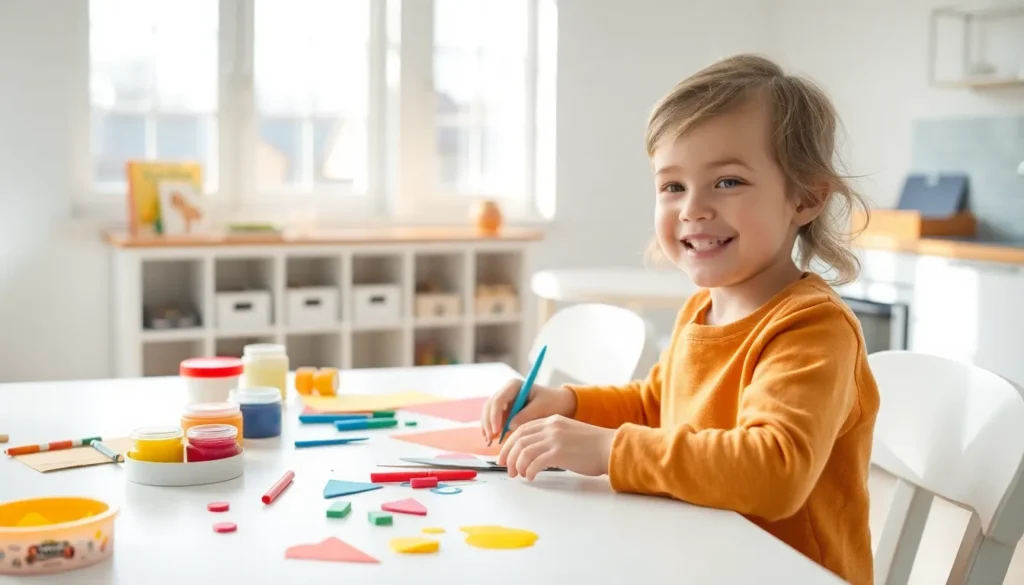
The physical space matters more than most people realize. Preschoolers thrive in organized environments with clearly defined areas for different activities. A reading corner with soft seating invites quiet exploration. An art station with accessible supplies encourages creative expression.
Safety comes first when setting up spaces for young children. Furniture should be child-sized. Materials need to be non-toxic. Sharp corners require padding or removal. Once safety is addressed, focus on accessibility, children should reach books, toys, and supplies without adult help.
Visual stimulation affects learning outcomes. Bright colors capture attention, but too much visual clutter overwhelms young minds. Balance is essential. Display children’s artwork, use educational posters sparingly, and maintain clean surfaces.
Natural light improves mood and focus. When possible, position learning areas near windows. Add plants to bring nature indoors. These small touches create spaces where preschoolers want to spend time.
Rotate materials regularly. Children lose interest in the same toys after a few weeks. Putting items away for a month and then reintroducing them creates fresh excitement. This strategy keeps the environment engaging without constant spending on new supplies.
Age-Appropriate Teaching Methods
Effective teaching methods for preschoolers share common traits: they’re active, playful, and concrete. Here are approaches that work:
Learning Through Play
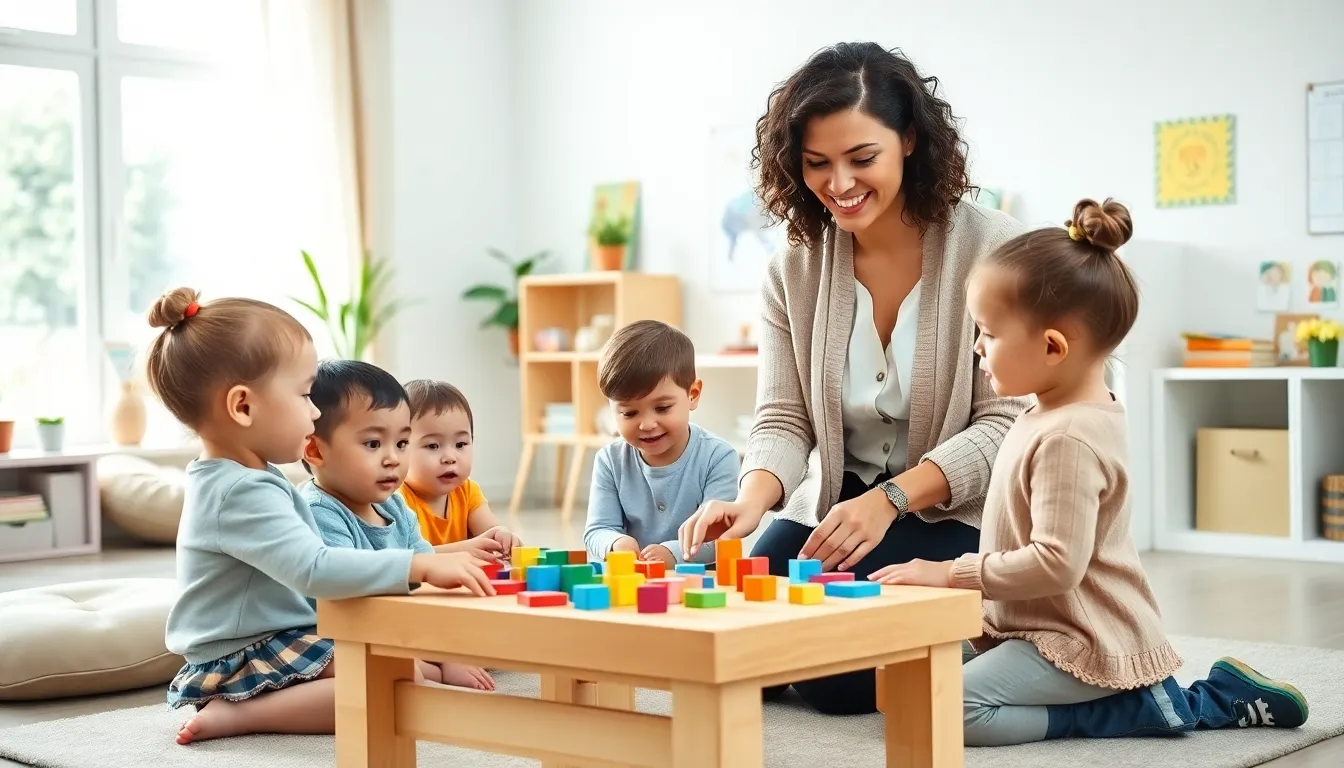
Structured play activities teach specific skills while feeling like games. Sorting colored blocks introduces categorization. Building towers develops fine motor control and spatial awareness. Dress-up corners build vocabulary and narrative skills.
Repetition With Variation
Preschoolers need repetition to master concepts. But repeating the exact same activity breeds boredom. Smart educators vary the presentation. Count using fingers one day, toy cars the next, then crackers at snack time. The core skill (counting) stays consistent while the context changes.
Storytime and Read-Alouds
Reading aloud remains one of the most powerful teaching tools for this age group. It builds vocabulary, introduces narrative structure, and develops listening skills. Interactive reading, asking questions, making predictions, discussing pictures, amplifies these benefits.
Music and Movement
Songs stick in memory. Adding actions reinforces learning. The alphabet song exists for good reason, it works. Action songs like “Head, Shoulders, Knees, and Toes” teach body parts while burning energy.
Short, Focused Activities
Remember those limited attention spans? Structure activities in 10 to 15-minute blocks. Transition between different types of activities, active to quiet, group to individual, structured to free play. This rhythm keeps preschoolers engaged throughout the day.
Building Social and Emotional Skills
Academic readiness matters, but social-emotional development predicts long-term success more reliably. Preschoolers need help learning to identify emotions, manage frustrations, and interact positively with peers.
Start with emotional vocabulary. Children can’t express feelings they can’t name. Use picture books about emotions. Talk about characters’ feelings in stories. Label emotions as they arise: “You seem frustrated that the puzzle piece won’t fit.”
Conflict resolution skills require direct instruction. When two children want the same toy, an adult can model problem-solving: “Sarah wants the truck. Marcus wants the truck. What could we do?” Over time, children internalize these scripts.
Turn-taking and sharing don’t come naturally. These skills develop through practice and gentle reminders. Games with clear turns, board games, ball tossing, provide structured opportunities to practice.
Self-regulation grows throughout the preschool years. Activities like “freeze dance” (dancing then stopping when music stops) build impulse control in playful ways. Deep breathing exercises, presented as “smell the flower, blow out the candle,” give children tools for calming down.
Positive reinforcement shapes behavior more effectively than punishment. Catch children being kind, patient, or helpful. Specific praise (“You shared your crayons with Emma, that was generous.”) works better than generic approval.
Supporting Learning at Home
Parents play a critical role in how preschoolers develop. Home doesn’t need to replicate a classroom. Everyday moments offer rich learning opportunities.
Cooking together teaches math (measuring, counting), science (how ingredients change), and reading (following recipes). Grocery shopping introduces categorization, comparison, and budgeting concepts at basic levels.
Outdoor exploration sparks curiosity about nature. Collect leaves and sort them by shape. Watch ants and discuss what they’re doing. These unstructured experiences build observation skills and scientific thinking.
Limit screen time. The American Academy of Pediatrics recommends no more than one hour daily of high-quality programming for children ages 2 to 5. Active play and human interaction deliver better developmental outcomes than passive viewing.
Establish routines. Preschoolers feel secure when they know what comes next. Consistent bedtimes, meal schedules, and activity patterns reduce anxiety and behavioral issues.
Read together every day. Even 15 minutes of daily reading significantly impacts literacy development. Let children choose books. Reread favorites, repetition builds fluency and confidence.
Communicate with teachers. Understanding what happens at preschool allows parents to reinforce concepts at home. Ask specific questions: “What songs are you learning?” “What letters are you working on?” This coordination strengthens learning across environments.