Table of Contents
ToggleA preschoolers guide can transform how parents approach their child’s critical early years. Children between ages three and five experience rapid brain development, emotional growth, and social learning. This period shapes the foundation for future academic success and lifelong habits.
Parents often wonder what their preschooler should know, how to encourage learning, and when to worry about developmental delays. This guide answers those questions with practical strategies backed by child development research. Whether a child attends preschool or learns at home, these insights help caregivers support healthy growth during this important stage.
Key Takeaways
- A preschoolers guide helps parents support children ages 3–5 during rapid brain development, emotional growth, and social learning.
- Preschoolers learn best through play, hands-on exploration, and imitation rather than formal instruction.
- Key developmental milestones span four categories: cognitive, language, physical, and social-emotional skills.
- Daily reading, creative play, and outdoor exploration are essential activities that build foundational skills while keeping preschoolers engaged.
- Help preschoolers manage big emotions by naming feelings, modeling healthy expression, and maintaining predictable routines.
- Kindergarten readiness includes independence skills, following instructions, and practicing separation—not just academic knowledge.
Understanding the Preschool Years
The preschool years span ages three to five. During this time, children develop language skills, motor abilities, and cognitive functions at an incredible pace. Their brains form over one million new neural connections every second.
Preschoolers think differently than older children. They learn through play, imitation, and hands-on exploration rather than formal instruction. Jean Piaget called this the “preoperational stage,” where children use symbols and imagination but struggle with abstract logic.
Physical growth slows compared to infancy, but coordination improves dramatically. Most preschoolers can run, jump, climb, and begin to master fine motor tasks like holding a pencil or using scissors.
Attention spans remain short, typically three to five minutes per year of age. A four-year-old might focus on one activity for 12 to 20 minutes before needing a change. Parents should plan activities with this limitation in mind.
Every preschooler develops at their own pace. Some children speak in complete sentences at three, while others need more time. This variation is normal. But, significant delays in speech, movement, or social interaction warrant a conversation with a pediatrician.
Key Developmental Milestones for Preschoolers
Developmental milestones offer guideposts for tracking a preschooler’s progress. They fall into four main categories: cognitive, language, physical, and social-emotional.
Cognitive Milestones
By age four, most preschoolers can count to ten, name several colors, and understand basic time concepts like “morning” and “night.” They begin sorting objects by shape and size. Problem-solving emerges through trial and error.
Five-year-olds often recognize some letters and numbers. They can follow multi-step instructions and understand cause-and-effect relationships.
Language Milestones
Three-year-olds typically speak in sentences of three to four words. By four, vocabulary expands to around 1,500 words, and children tell simple stories. Five-year-olds use complex sentences and can explain what objects are used for.
Physical Milestones
Gross motor skills improve each year. Three-year-olds pedal tricycles and kick balls. Four-year-olds hop on one foot and catch bounced balls. Five-year-olds skip, do somersaults, and show hand dominance.
Fine motor development allows preschoolers to draw shapes, button clothing, and use utensils properly by age five.
Social-Emotional Milestones
Preschoolers learn to share, take turns, and express emotions verbally. They develop friendships and begin understanding others’ feelings. Separation anxiety typically decreases during these years.
Essential Learning Activities and Play
Play is how preschoolers learn. A good preschoolers guide emphasizes activities that build skills while keeping children engaged.
Reading Together
Daily reading builds vocabulary, listening skills, and a love for books. Parents should ask questions about the story: “What do you think happens next?” or “How does that character feel?” This interaction strengthens comprehension.
Art and Creativity
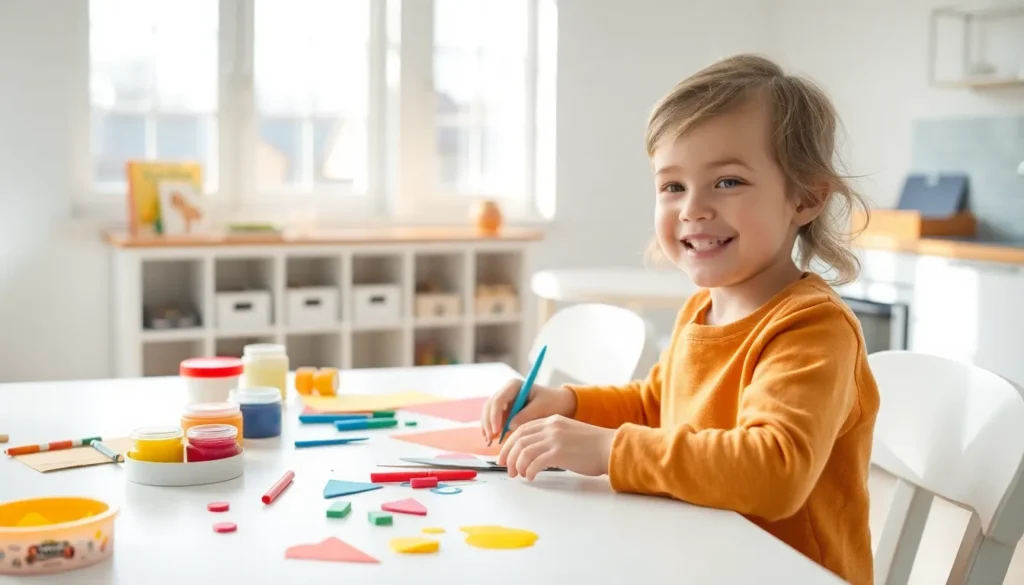
Drawing, painting, and crafting develop fine motor control and self-expression. Process matters more than product at this age. Let preschoolers experiment without worrying about making “perfect” art.
Building and Construction
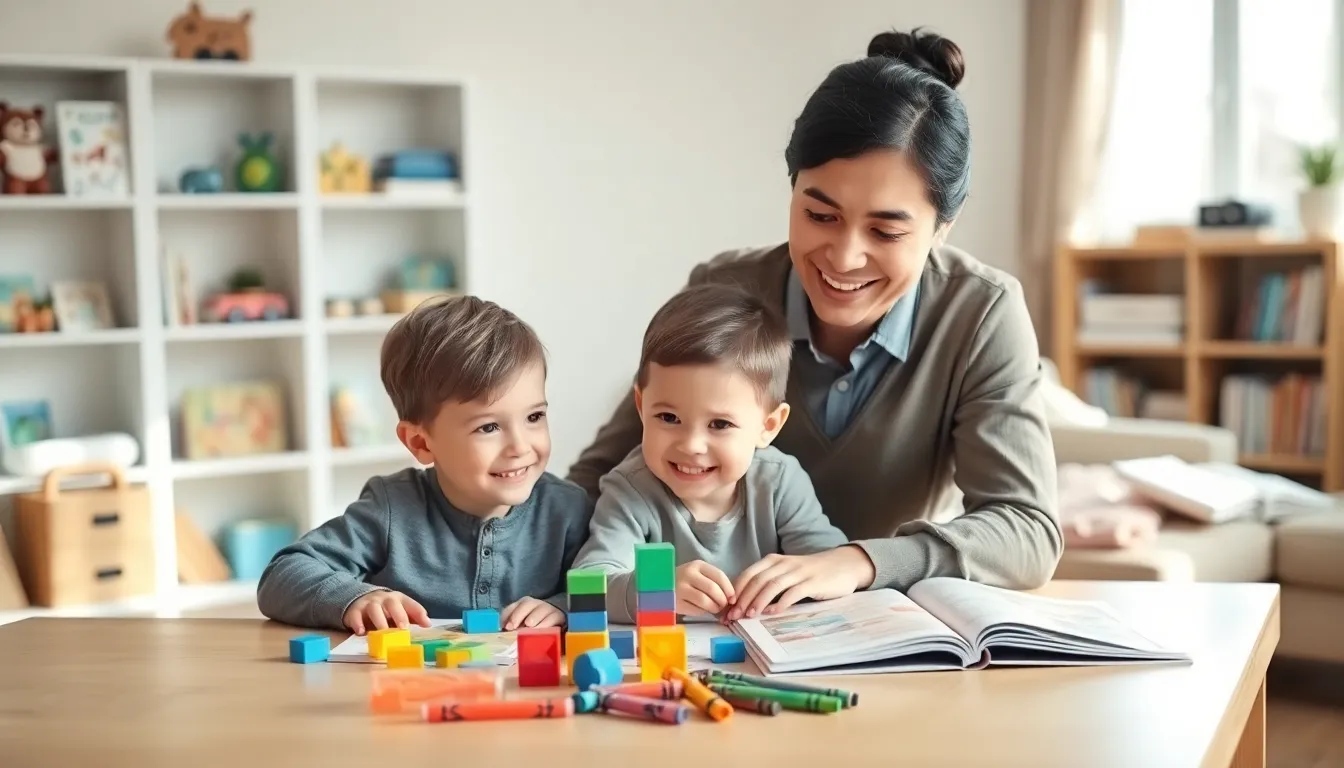
Blocks, LEGOs, and simple building sets teach spatial reasoning, problem-solving, and basic math concepts. Children learn about balance, symmetry, and cause-and-effect through construction play.
Pretend Play
Dress-up, playing house, or pretending to be animals builds imagination, language skills, and social understanding. Children process real-world experiences through pretend scenarios.
Outdoor Exploration
Nature walks, playground time, and backyard play develop gross motor skills and scientific curiosity. Preschoolers can collect leaves, watch insects, or splash in puddles while learning about their environment.
Music and Movement
Singing, dancing, and playing simple instruments support language development, coordination, and emotional expression. Rhythm activities also strengthen pre-math skills.
Screen time should stay limited. The American Academy of Pediatrics recommends no more than one hour daily of high-quality programming for preschoolers.
Social and Emotional Growth Tips
Preschoolers experience big emotions in small bodies. They feel frustration, jealousy, fear, and joy intensely, but lack the skills to manage these feelings.
Name Emotions
Help children identify what they feel. Saying “You seem frustrated because the tower fell” teaches emotional vocabulary. Preschoolers who can name emotions regulate them better.
Model Healthy Expression
Children watch how adults handle stress and disappointment. Parents who say “I’m feeling upset, so I’m going to take deep breaths” teach coping strategies through example.
Create Predictable Routines
Consistent daily schedules help preschoolers feel secure. They know what comes next, which reduces anxiety and power struggles. Visual schedules with pictures work well for this age group.
Encourage Friendship Skills
Arrange playdates and group activities. Coach children through conflicts rather than solving problems for them. Phrases like “Tell your friend how you feel” or “How can you both play with that toy?” build negotiation skills.
Validate Feelings, Set Limits
A preschooler’s feelings deserve acknowledgment even when their behavior needs correction. “I know you’re angry, but hitting isn’t okay. Let’s find another way to show those feelings.”
Praise Effort Over Results
Statements like “You worked so hard on that puzzle” encourage persistence better than “You’re so smart.” This mindset helps preschoolers embrace challenges.
Preparing Your Preschooler for Kindergarten
Kindergarten readiness involves more than academic skills. Social, emotional, and practical abilities matter just as much.
Academic Foundations
Preschoolers heading to kindergarten benefit from knowing their letters, numbers up to 20, basic shapes, and colors. They should recognize their written name. But, formal reading and writing instruction can wait, kindergarten teachers expect to teach these skills.
Independence Skills
Practice tasks children will face at school: using the bathroom alone, washing hands, putting on jackets, opening lunch containers, and following two-step directions. These practical skills build confidence.
Attention and Listening
Gradually increase activities requiring sustained focus. Story time, puzzles, and simple board games help preschoolers practice sitting still and paying attention, skills they’ll need in a classroom.
Following Instructions
Kindergarteners must follow group directions. Play games like “Simon Says” to practice listening and responding to instructions.
Separation Practice
If a preschooler hasn’t attended group care, arrange time away from parents before kindergarten starts. Short visits with relatives or structured activities help children adjust to separation.
Visit the School
Many schools offer orientation events. Visiting the classroom, meeting the teacher, and walking the halls reduces first-day anxiety.
Talk Positively About School
Excitement is contagious. Parents who speak positively about kindergarten help children view school as an adventure rather than something scary.