Table of Contents
TogglePreschooler strategies shape how young children learn, behave, and connect with others. These early years, ages three to five, set the foundation for lifelong skills. Parents and educators need practical tools that actually work, not vague advice that sounds good but fails in real life.
This guide covers proven approaches for early childhood development. It explores how preschoolers think and grow, ways to manage behavior positively, and methods for building emotional intelligence. Each strategy comes from research and classroom-tested experience. The goal is simple: help caregivers support young children effectively during this critical stage.
Key Takeaways
- Preschooler strategies work best when they match developmental stages—young children learn through hands-on experiences, not lectures.
- Use positive language and tell children what to do instead of what not to do for immediate behavior improvements.
- Social-emotional skills like naming emotions and practicing turn-taking predict long-term success better than early academics.
- Build independence by creating accessible spaces, using visual schedules, and allowing extra time for preschoolers to complete tasks themselves.
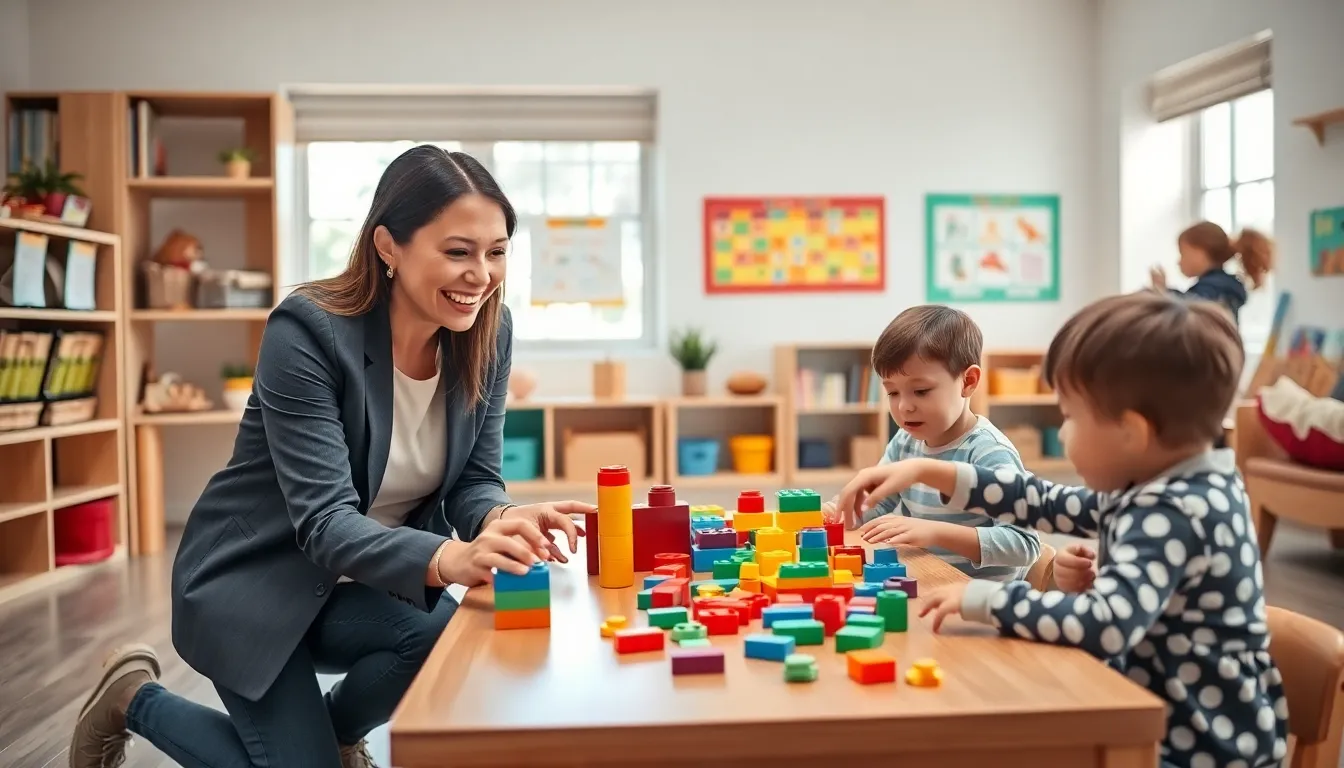
- Play-based learning outperforms direct instruction—follow the child’s interests and provide open-ended materials like blocks and art supplies.
- Stay calm during meltdowns because preschoolers mirror adult emotions, making a regulated caregiver the most powerful strategy available.
Understanding How Preschoolers Learn and Grow
Preschoolers learn differently than older children. Their brains develop rapidly, forming over one million new neural connections every second. This biological reality explains why preschooler strategies must match their developmental stage.
Young children think concretely. They understand what they can see, touch, and experience directly. Abstract concepts like “patience” or “sharing” only make sense through repeated, hands-on practice. A preschooler won’t grasp why sharing matters from a lecture, they learn by passing toys back and forth during play.
Attention spans at this age average three to five minutes per year of age. A four-year-old might focus for 12 to 20 minutes on an engaging activity. Effective preschooler strategies work within these limits rather than fighting against them.
Key Developmental Areas
Cognitive growth includes memory, problem-solving, and language acquisition. Preschoolers ask “why” constantly because their brains seek to understand cause and effect.
Physical development involves both gross motor skills (running, jumping, climbing) and fine motor skills (holding crayons, using scissors). Movement isn’t optional, it’s how young children process information.
Emotional regulation remains a work in progress. Preschoolers experience big feelings without fully developed tools to manage them. Tantrums aren’t defiance: they’re often overwhelm.
Understanding these realities helps adults choose preschooler strategies that align with what young brains can actually do.
Positive Behavior Management Techniques
Effective preschooler strategies for behavior focus on prevention rather than punishment. Young children respond better to clear expectations and consistent routines than to consequences after misbehavior.
Set Clear, Simple Rules
Limit rules to three or four essentials. “Use gentle hands,” “Walking feet inside,” and “Use your words” cover most situations. Post visual reminders with pictures. Preschoolers can’t read, but they recognize images.
Use Positive Language
Tell children what to do instead of what not to do. “Walk, please” works better than “Don’t run.” Young brains often miss the “don’t” and only hear the action word. This simple shift in language produces immediate results.
Offer Limited Choices
Power struggles decrease when children feel some control. Offer two acceptable options: “Do you want to put on your shoes or your jacket first?” Both choices lead to the same outcome (getting ready to leave), but the child feels respected.
Notice Good Behavior
Catch children doing things right. Specific praise teaches better than vague compliments. “You put your blocks away without being asked” tells a child exactly what they did well. This preschooler strategy reinforces behavior you want to see repeated.
Stay Calm During Meltdowns
Preschoolers mirror adult emotions. When caregivers remain calm, children learn that big feelings can be managed. Take a breath before responding. A regulated adult is the most powerful preschooler strategy available.
Building Social and Emotional Skills
Social-emotional development predicts long-term success better than early academic skills. Preschooler strategies in this area pay dividends for years.
Name Emotions
Teach feeling words beyond “happy,” “sad,” and “mad.” Introduce “frustrated,” “disappointed,” “excited,” and “nervous.” Use picture books that show characters experiencing different emotions. When children can name what they feel, they can start to manage it.
Practice Turn-Taking
Turn-taking teaches patience in a concrete way. Board games, ball games, and structured activities provide natural opportunities. A timer helps, preschoolers accept “when the timer beeps, it’s your friend’s turn” more easily than adult judgment calls.
Model Empathy
Say what you observe: “I notice your friend looks sad because their tower fell down.” This preschooler strategy teaches children to read social cues. Follow up with problem-solving: “What could we do to help them feel better?”
Create Connection Rituals
Simple rituals build security. A special handshake at drop-off, a song before nap time, or a silly greeting when reuniting, these predictable moments help preschoolers feel safe. Secure children take more social risks.
Handle Conflict as a Teaching Moment
When children argue over toys, resist the urge to solve it for them. Guide them through the problem: “You both want the truck. What could you do?” Preschoolers can generate solutions when given the chance.
Encouraging Independence Through Daily Routines
Preschoolers crave independence. They want to do things themselves, even when it takes three times as long. Smart preschooler strategies harness this drive rather than suppressing it.
Build Extra Time Into Transitions
If getting dressed normally takes five minutes, plan for fifteen. Rushed children become frustrated children. That extra time allows preschoolers to practice buttoning, zipping, and choosing clothes, skills they’re eager to master.
Create Accessible Spaces
Low hooks for coats, step stools in bathrooms, and child-sized utensils make independence possible. When environments match children’s abilities, adults don’t need to help as much. This preschooler strategy reduces power struggles automatically.
Use Visual Schedules
Picture-based schedules show children what comes next. A morning routine might include images for: wake up, use the bathroom, eat breakfast, get dressed, brush teeth. Children can check off each step, building both independence and a sense of accomplishment.
Allow Natural Consequences
Within safe limits, let outcomes teach. A child who refuses a jacket might feel cold at the playground. A child who doesn’t eat lunch might feel hungry before snack time. These mild discomforts teach cause and effect more effectively than warnings.
Celebrate Effort Over Perfection
A preschooler’s self-made sandwich might look messy. Their bed-making attempt won’t win any awards. Praise the trying: “You spread the peanut butter all by yourself.” Perfectionism kills independence.
Play-Based Learning Strategies That Work
Play is how preschoolers learn, period. The research is clear: play-based approaches outperform direct instruction for this age group. Effective preschooler strategies treat play as the primary learning mode.
Follow the Child’s Lead
Watch what interests a child. If they’re fascinated by trucks, incorporate trucks into learning. Count trucks. Sort trucks by color. Tell stories about trucks. Interest-led learning sticks because it matters to the child.
Provide Open-Ended Materials
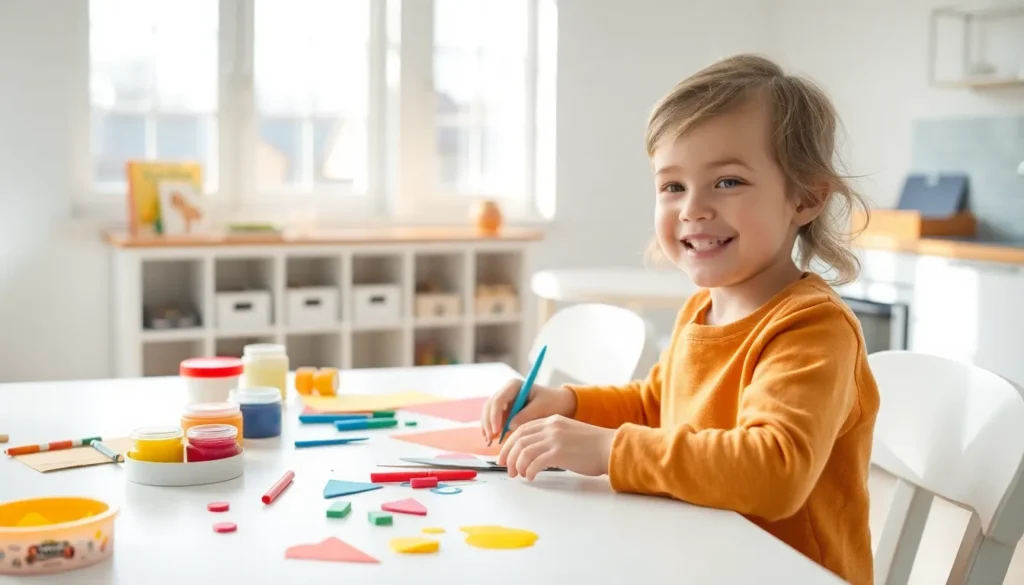
Blocks, playdough, sand, water, art supplies, and dress-up clothes beat battery-powered toys every time. Open-ended materials let children create, experiment, and problem-solve. A box becomes a spaceship, then a boat, then a house. That’s cognitive flexibility in action.
Ask Questions, Don’t Lecture
“What do you think will happen if…?” beats “Let me show you how this works.” Questions spark thinking. They also give adults insight into how preschoolers understand the world, sometimes in surprising ways.
Include Movement
Learning through the body reinforces learning through the brain. Jumping while counting, making letter shapes with arms, and acting out stories help concepts stick. Preschooler strategies that ignore movement ignore how young children actually learn.
Embrace Mess and Noise
Productive play is rarely quiet or clean. Sensory experiences, squishing, pouring, molding, build neural pathways. A messy playroom often signals learning in progress.