Table of Contents
TogglePreschoolers tips can make daily parenting feel less like guesswork and more like a plan. Children between ages three and five go through rapid changes in how they think, feel, and interact with others. Parents who understand these shifts can respond with confidence instead of frustration.
This guide covers the essentials: routines, play-based learning, emotional growth, behavior management, and healthy habits. Each section offers practical strategies that work in real homes with real kids. No fluff, no impossible standards, just useful advice grounded in what actually helps preschoolers thrive.
Key Takeaways
- Consistent daily routines with visual schedules help preschoolers feel secure and reduce transition-related meltdowns.
- Play-based learning through blocks, pretend scenarios, and outdoor activities builds essential cognitive, social, and motor skills.
- Label and validate your preschooler’s emotions before redirecting behavior to build their emotional vocabulary and self-regulation.
- Offer limited choices to give preschoolers a sense of control while maintaining safe boundaries during defiant moments.
- Establish healthy habits early—aim for 10-13 hours of sleep, limit screen time to one hour daily, and keep offering new foods without pressure.
- These preschoolers tips work best when parents model the behaviors they want to see and stay consistent with expectations.
Establishing Consistent Daily Routines
Preschoolers feel safer when they know what comes next. A predictable schedule reduces anxiety and helps children transition between activities without meltdowns.
Start with anchor points: wake time, meals, nap or quiet time, and bedtime. These fixed moments create structure around which flexible activities can happen. Most preschoolers do well with visual schedules, simple charts with pictures showing the day’s flow.
Morning routines deserve special attention. A consistent sequence (wake up, bathroom, get dressed, eat breakfast) teaches self-care skills and builds independence. Keep expectations age-appropriate. A three-year-old might need help with buttons: a five-year-old can manage most dressing tasks alone.
Bedtime routines signal the brain to wind down. Bath, pajamas, teeth brushing, story, and lights out, this predictable chain helps preschoolers fall asleep faster. Experts recommend keeping bedtime within the same 30-minute window each night.
Transitions often trigger resistance. Give warnings: “Five more minutes of play, then we clean up.” Use timers so the transition feels fair, not arbitrary. Preschoolers tips like these turn potential battles into smooth handoffs.
Encouraging Learning Through Play
Play is how preschoolers learn best. They absorb language, math concepts, problem-solving skills, and social rules through games, pretend scenarios, and hands-on exploration.
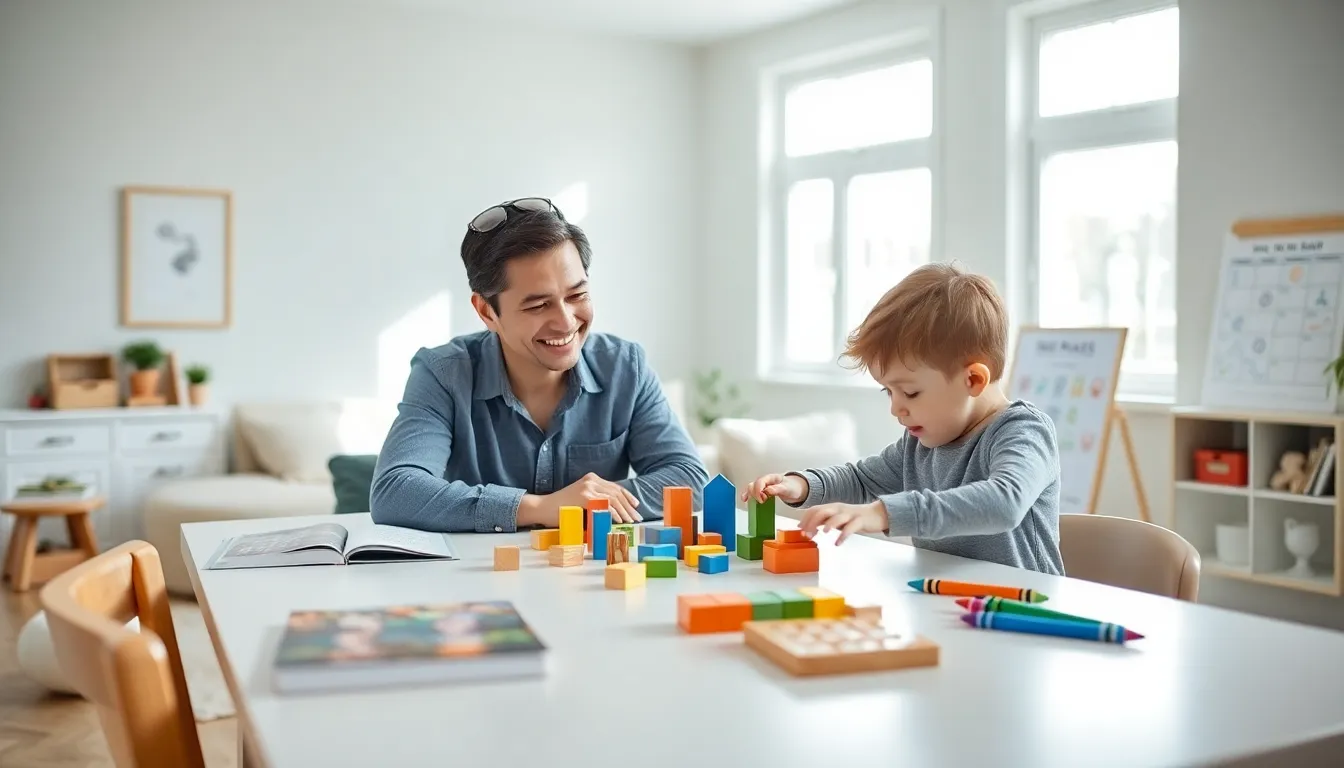
Block play teaches spatial reasoning and basic physics. When a tower falls, kids learn about balance and gravity. They also practice patience and persistence, valuable traits that carry into school years.
Pretend play builds language and emotional intelligence. A child running a “restaurant” practices conversation, cooperation, and sequencing. They also process real-life experiences by acting them out in safe, imaginative settings.
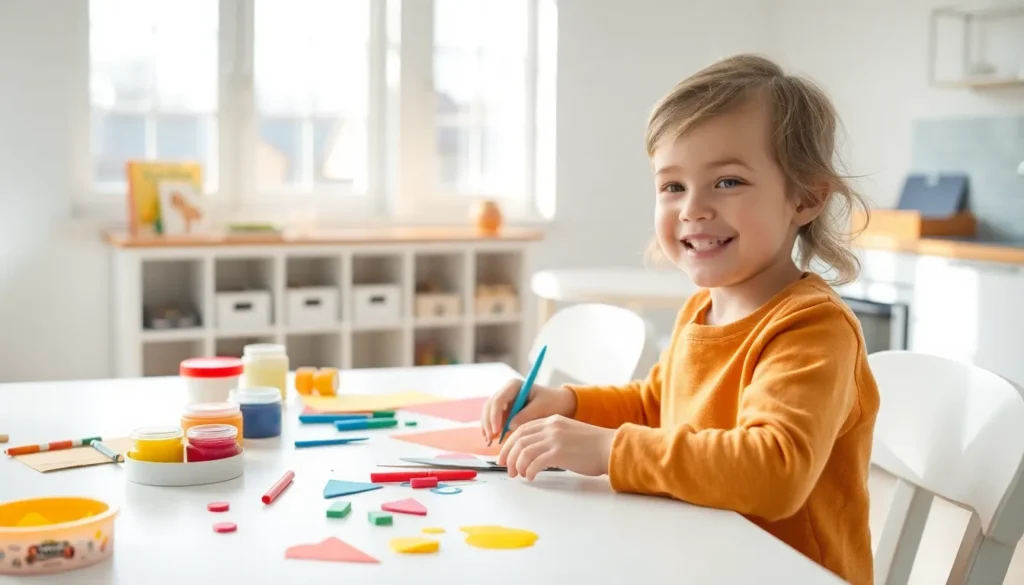
Art activities develop fine motor control needed for writing. Crayons, scissors, and playdough strengthen hand muscles. Don’t worry about the final product. The process matters more than the picture.
Outdoor play supports physical development and sensory learning. Running, climbing, digging, and splashing help preschoolers build coordination, strength, and body awareness. Aim for at least 60 minutes of active play daily.
Parents can boost learning by asking open-ended questions during play. “What happens if you add another block?” or “Where is your character going next?” These prompts extend thinking without taking over the play. Effective preschoolers tips always keep the child in the driver’s seat.
Supporting Emotional and Social Development
Preschoolers experience big feelings in small bodies. They’re learning to identify emotions, express them appropriately, and manage impulses, skills that take years to master.
Label emotions out loud. “You look frustrated because your puzzle piece won’t fit.” This teaches emotional vocabulary. Kids who can name their feelings handle them better than those who can’t.
Validate before redirecting. Saying “I understand you’re angry” doesn’t mean permitting bad behavior. It means acknowledging the feeling before addressing the action. “You’re angry, and hitting is not okay. Let’s find another way to show you’re upset.”
Social skills develop through practice. Playdates, preschool, and sibling interactions all provide opportunities. Preschoolers learn to share, take turns, and resolve conflicts. They need adult coaching at first. Over time, they internalize these skills.
Model the behavior you want to see. Kids watch how adults handle stress, disagreements, and disappointments. A parent who apologizes after losing their temper teaches more than a lecture ever could.
Books help too. Stories about characters experiencing similar emotions give preschoolers safe ways to explore feelings. Discussing characters’ choices builds empathy and critical thinking. These preschoolers tips turn everyday moments into emotional learning opportunities.
Managing Common Behavioral Challenges
Tantrums, defiance, and testing limits are normal preschooler behaviors. They’re not signs of bad parenting or a difficult child. They’re signs of a developing brain.
Tantrums happen when emotions overwhelm coping skills. Stay calm. Getting angry escalates the situation. Move to a quiet space if possible. Offer comfort without giving in to unreasonable demands. After the storm passes, talk briefly about what happened.
Defiance often signals a need for control. Preschoolers want independence but lack judgment. Offer limited choices: “Do you want to wear the red shirt or the blue shirt?” This gives control within safe boundaries.
Consistency matters more than severity. A calm, consistent consequence teaches better than an angry, unpredictable one. If the rule is “no dessert without finishing vegetables,” enforce it the same way every time.
Positive attention reduces negative behavior. Catch kids being good. “I noticed you shared your toy with your sister. That was kind.” Children repeat behaviors that get attention, make sure good behavior gets more notice than bad.
Some behaviors need professional input. If aggression, extreme anxiety, or developmental delays concern you, talk to your pediatrician. Early intervention makes a real difference. Smart preschoolers tips include knowing when to seek help.
Promoting Healthy Habits Early On
Habits formed in preschool years often stick for life. This makes early childhood the perfect time to establish patterns around nutrition, sleep, hygiene, and physical activity.
Nutrition battles are common. Preschoolers can be picky eaters. Keep offering variety without pressure. It can take 10-15 exposures before a child accepts a new food. Serve meals family-style and let kids choose from what’s available.
Limit sugary drinks and snacks. Water and milk should be the default beverages. Save treats for occasional enjoyment, not daily habits. Model healthy eating yourself, kids notice what parents put on their plates.
Sleep needs vary, but most preschoolers require 10-13 hours per night. Consistent bedtimes, dark rooms, and screen-free wind-down periods improve sleep quality. Tired preschoolers struggle with emotions, learning, and behavior.
Teach hygiene basics: hand washing before meals, after bathroom use, and after playing outside. Make toothbrushing a twice-daily routine. Use songs or timers to ensure adequate brushing time.
Limit screen time. The American Academy of Pediatrics recommends no more than one hour daily for children ages 2-5, with high-quality programming. Co-viewing helps parents guide content and spark conversation.
These preschoolers tips build a foundation for lifelong wellness. Small choices now compound into major health advantages later.