Table of Contents
TogglePreschoolers trends 2026 are shaping a new era for early childhood education and play. Parents, educators, and childcare providers want to know what’s next for young learners. The coming year brings fresh approaches to outdoor learning, technology use, emotional development, and inclusive classrooms. These preschoolers trends reflect research-backed methods that support how children actually grow and learn. This guide covers the key shifts every adult caring for preschoolers should understand.
Key Takeaways
- Preschoolers trends 2026 prioritize nature-based learning, with forest schools and outdoor classrooms gaining popularity for their proven benefits on focus, health, and stress reduction.
- Technology in preschool is shifting toward intentional, limited use—think coding toys and augmented reality apps—balanced with plenty of hands-on, screen-free activities.
- Social-emotional learning (SEL) is now a core part of preschool curriculum, teaching children emotional vocabulary, self-regulation, and conflict resolution skills that predict future academic success.
- Inclusive education is expanding, with classrooms featuring diverse books, toys, and materials that represent children of all races, abilities, and family structures.
- Play-based STEM and STEAM activities are replacing worksheets, proving that hands-on exploration with blocks, water tables, and art supplies is how preschoolers truly learn.
- Parents should look for programs that embrace these preschoolers trends 2026 by balancing outdoor time, technology, emotional development, and creative play.
Nature-Based and Outdoor Learning Experiences
Outdoor learning stands out among the top preschoolers trends 2026. More programs are moving classrooms outside. Children spend time in gardens, forests, and natural play spaces. This shift responds to research showing that nature exposure improves focus, reduces stress, and boosts physical health.
Forest schools and nature preschools continue to grow in popularity across the United States. These programs let children dig in dirt, observe insects, and build with sticks. Such hands-on experiences teach science concepts better than worksheets ever could.
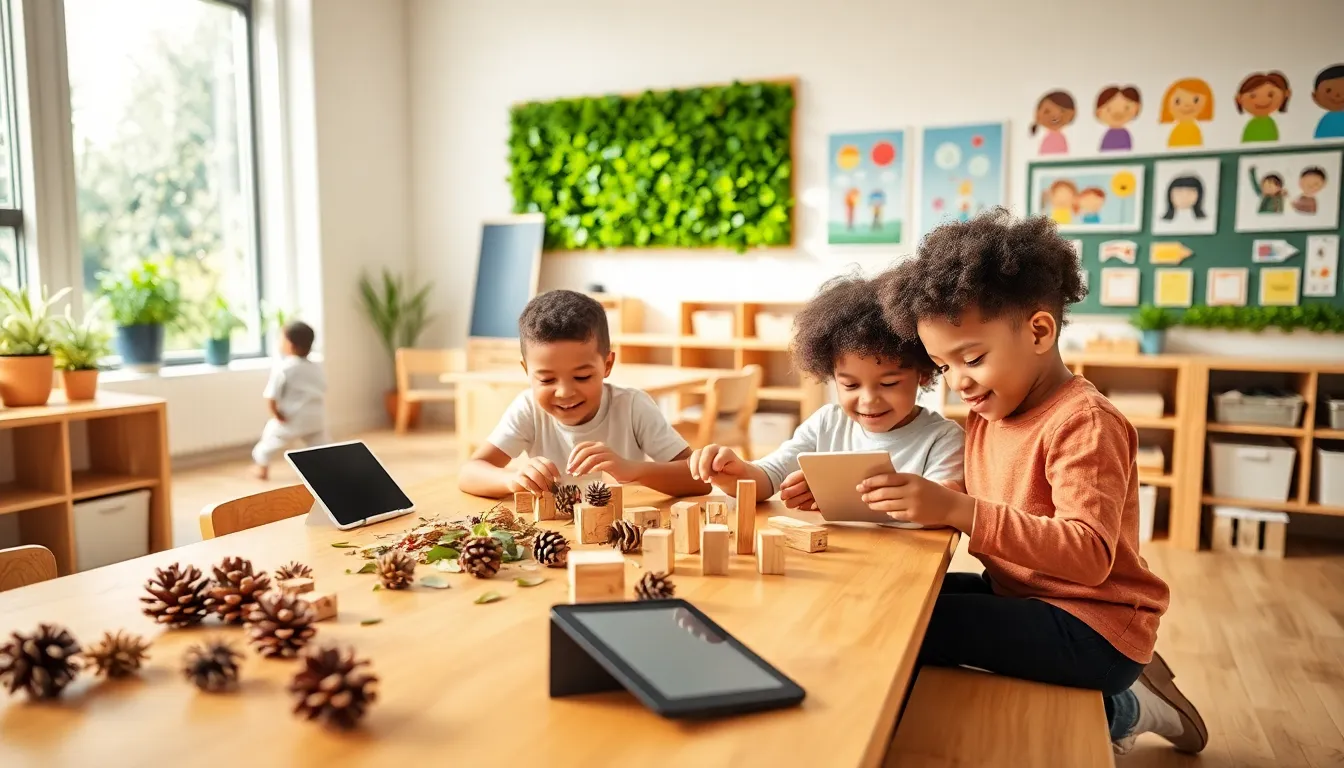
Even urban programs are finding ways to bring nature indoors. Living walls, classroom gardens, and natural materials like wood blocks and pinecones are replacing plastic toys. The goal is simple: connect young children to the natural world early and often.
Parents can expect more schools to schedule regular outdoor time regardless of weather. Mud kitchens, sensory gardens, and nature scavenger hunts are becoming standard activities. These preschoolers trends 2026 recognize that children learn best when they move, explore, and get a little messy.
Technology Integration With Screen-Time Balance
Technology use in preschool settings is changing fast. The preschoolers trends 2026 show a smarter approach to screens. Programs are moving away from passive video watching toward interactive, educational tools.
Augmented reality apps now help children explore animals, planets, and historical sites. Coding toys designed for ages 3-5 teach sequencing and problem-solving without screens at all. Digital storytelling tools let children create their own books and animations.
But balance matters. Leading early childhood experts recommend strict limits on screen time for preschoolers. The American Academy of Pediatrics suggests no more than one hour daily for children ages 2-5. Quality programs follow these guidelines carefully.
The best preschools in 2026 use technology as one tool among many. A child might spend 15 minutes on an educational app, then an hour building with blocks. Teachers are learning to evaluate which tech tools actually support learning versus which ones just entertain.
Parents should look for programs that explain their technology philosophy clearly. The preschoolers trends 2026 favor intentional, limited tech use paired with plenty of hands-on, screen-free activities.
Social-Emotional Learning Takes Center Stage
Social-emotional learning (SEL) has become a priority in preschool classrooms. This represents one of the most significant preschoolers trends 2026. Programs now teach emotional vocabulary, conflict resolution, and self-regulation as core skills.
Children learn to name their feelings using tools like emotion charts and feeling faces. Teachers guide them through calming strategies like deep breathing and counting. Conflict resolution scripts help preschoolers solve problems with peers instead of hitting or crying.
Research supports this focus. Studies show that strong social-emotional skills in preschool predict academic success in later grades. Children who can manage their emotions learn better and build stronger friendships.
Many programs now include dedicated SEL curriculum. The CASEL framework and similar models provide structured lessons on self-awareness, social awareness, and responsible decision-making. These aren’t add-ons anymore, they’re central to the daily schedule.
The preschoolers trends 2026 also emphasize teacher training in SEL. Educators learn to model emotional regulation and create calm classroom environments. Parent workshops help families reinforce these skills at home. This whole-child approach recognizes that academic readiness starts with emotional readiness.
Inclusive and Diverse Educational Materials
Preschool materials are becoming more representative of all children. Among the notable preschoolers trends 2026, inclusive education stands out. Books, toys, and curriculum now reflect diverse families, abilities, and backgrounds.
Classroom libraries include books featuring children of different races, family structures, and abilities. Dolls and play figures represent various skin tones and body types. Posters and decorations show diversity as the norm, not the exception.
This shift matters for child development. When children see themselves in classroom materials, they feel valued. When they see others who look different, they build empathy and understanding. Research confirms that exposure to diversity in early childhood reduces bias later in life.
Programs are also becoming more accessible for children with disabilities. Universal Design for Learning (UDL) principles guide classroom setup and instruction. Activities offer multiple ways to participate, so every child can succeed.
Language instruction reflects changing demographics too. Dual-language programs and multilingual resources support children from non-English-speaking homes. The preschoolers trends 2026 embrace the reality that American classrooms serve children from many different backgrounds.
Play-Based STEM and Creative Exploration
STEM education is reaching younger learners through play. The preschoolers trends 2026 bring science, technology, engineering, and math into preschool through hands-on exploration. This approach works because preschoolers learn best by doing.
Building blocks teach engineering concepts. Water tables demonstrate physics. Cooking activities introduce measurement and chemistry. These aren’t formal lessons, they’re guided play experiences that spark curiosity.
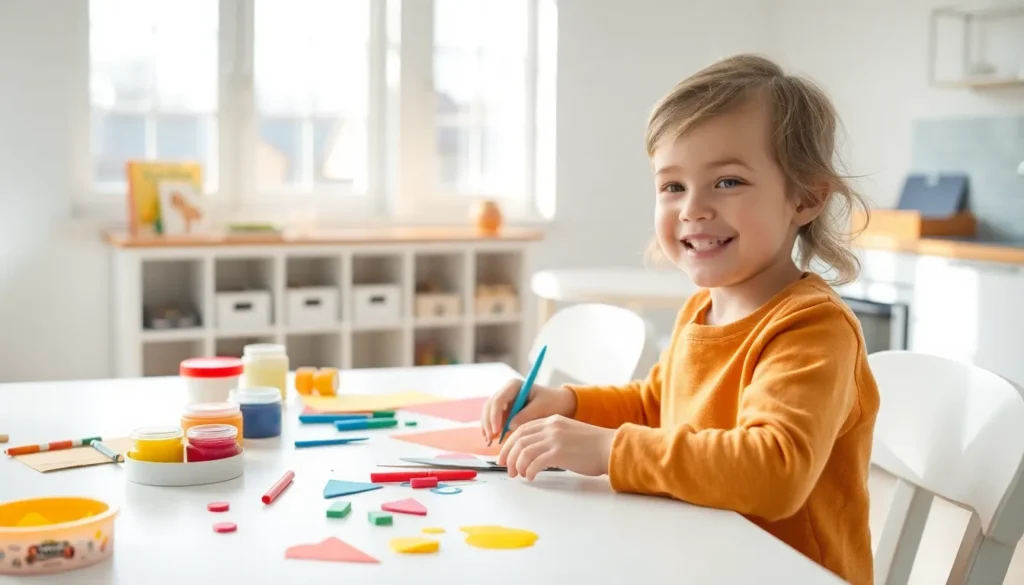
Creative arts remain essential alongside STEM. Many programs now use the term STEAM, adding Arts to the acronym. Open-ended art projects, music exploration, and dramatic play develop creativity and self-expression. These skills complement analytical thinking.
Teachers ask open-ended questions during play: “What do you think will happen if…?” or “How could you build it differently?” This questioning approach develops critical thinking. Children learn to hypothesize, test ideas, and draw conclusions.
The preschoolers trends 2026 reject the false choice between play and learning. Quality programs prove that play IS learning for young children. Parents should look for classrooms filled with blocks, art supplies, sensory materials, and open-ended toys rather than worksheets and flashcards.