Table of Contents
ToggleWhat is a preschooler? This question matters to parents, educators, and caregivers who want to understand early childhood development. A preschooler is a child between the ages of 3 and 5 who has moved beyond toddlerhood but hasn’t yet started kindergarten. This stage marks a period of rapid growth in physical abilities, thinking skills, and social awareness.
Preschoolers learn through play, exploration, and interaction with others. They develop language at an impressive pace, form their first friendships, and begin to understand rules and routines. Understanding what defines a preschooler helps adults support children during this formative time.
Key Takeaways
- A preschooler is a child between ages 3 and 5 who has moved beyond toddlerhood but hasn’t yet started kindergarten.
- Preschoolers develop rapidly in physical coordination, language skills, and social awareness through play and exploration.
- Key characteristics of preschoolers include increased independence, curiosity, imagination, and growing empathy for others.
- Language growth is significant during this stage, with vocabulary expanding from about 1,000 words at age 3 to over 2,000 by age 5.
- Preparing preschoolers for kindergarten involves building academic, social, self-care, and emotional readiness skills.
- Every preschooler develops at their own pace, so focus on steady progress rather than perfection.
Age Range and Defining Characteristics
A preschooler typically falls within the 3 to 5 age range. Some definitions extend this to include children as young as 2.5 years old. The upper boundary usually ends when a child enters kindergarten, which varies by location and school district.
Several characteristics define the preschooler stage:
- Increased independence: Preschoolers want to do things by themselves. They can dress with minimal help, use the bathroom independently, and make simple choices about food or activities.
- Curiosity: Children at this age ask endless questions. “Why?” becomes a favorite word as they try to understand how the world works.
- Imagination: Pretend play becomes central to daily activities. A preschooler might spend hours being a superhero, a doctor, or a parent to their stuffed animals.
- Physical coordination: Motor skills improve significantly. Preschoolers can run, jump, climb, and begin to master skills like catching a ball or riding a tricycle.
Preschoolers also show growing awareness of others. They notice when someone feels sad and may try to offer comfort. They start to grasp concepts like sharing and taking turns, though they still struggle with these skills regularly.
The preschool period serves as a bridge. Children move from the dependency of toddlerhood toward the structured learning environment of elementary school. This transition requires support from adults who understand what preschoolers need to thrive.
Developmental Milestones in Preschool Years
Preschoolers reach important milestones across multiple areas of development. These benchmarks help parents and educators track progress and identify areas where a child might need extra support.
Physical Development
Gross motor skills advance quickly during the preschool years. A 3-year-old can climb stairs using alternating feet. By age 5, most children can skip, hop on one foot, and throw a ball with reasonable accuracy.
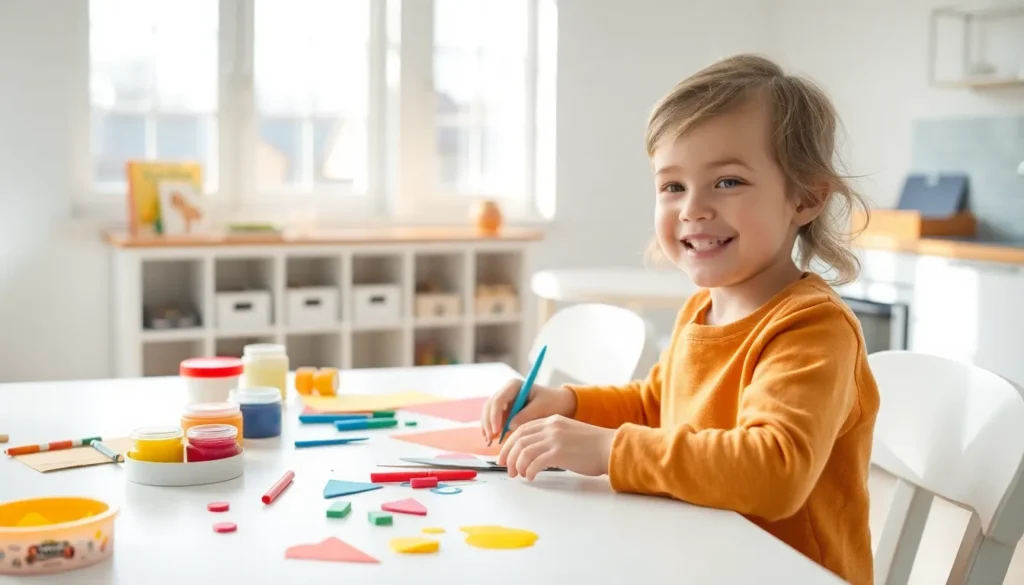
Fine motor skills also improve. Preschoolers learn to hold pencils and crayons correctly. They can draw shapes, cut with scissors, and begin to write letters. Button manipulation, zipping jackets, and tying shoes become possible, though these tasks require practice.
Physical growth continues at a steady pace. Preschoolers typically gain about 4-5 pounds per year and grow 2-3 inches taller annually. Their bodies become leaner as baby fat decreases and muscle mass increases.
Cognitive and Language Growth
Cognitive development during the preschool stage involves major leaps in thinking ability. Preschoolers begin to understand cause and effect. They can sort objects by color, shape, or size. Counting becomes meaningful, they don’t just recite numbers but understand that each number represents a quantity.
Memory improves substantially. A preschooler can remember events from weeks ago and anticipate future activities. They understand basic time concepts like “yesterday,” “today,” and “tomorrow.”
Language growth is perhaps the most noticeable change. A 3-year-old typically uses sentences of 3-4 words. By age 5, children speak in complex sentences with 5-6 words or more. Vocabulary expands from roughly 1,000 words at age 3 to over 2,000 words by age 5.
Preschoolers love stories. They can follow longer narratives and often retell their favorite tales. They begin to understand that letters represent sounds, which sets the foundation for reading.
Social and Emotional Skills
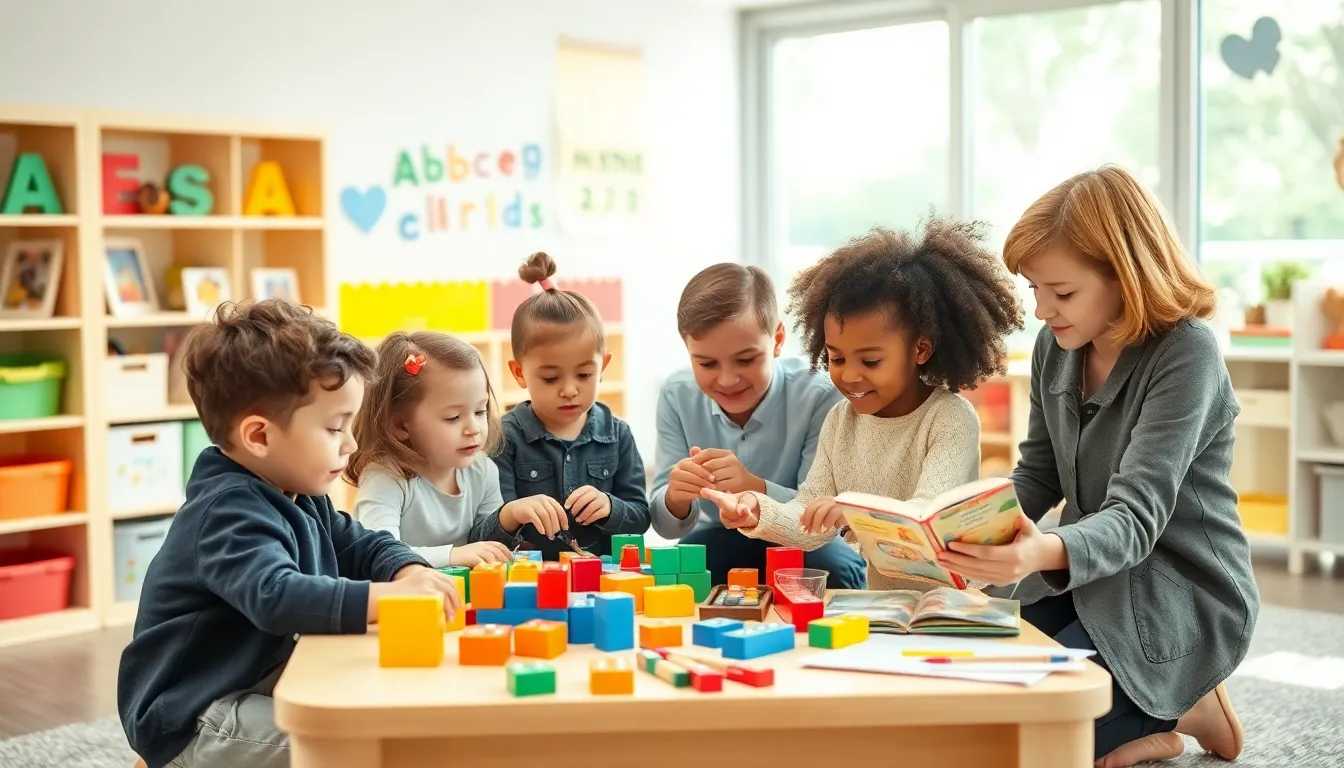
Social development takes center stage during the preschool years. Children move from parallel play, playing next to other children, to cooperative play, where they work together toward shared goals.
Preschoolers form genuine friendships. They have preferences about playmates and can feel hurt when excluded. Conflict resolution skills begin to develop, though adult guidance remains essential.
Emotional regulation improves but remains a work in progress. Preschoolers experience big emotions and sometimes struggle to manage them. Tantrums decrease compared to toddlerhood, but frustration and disappointment can still overwhelm a young child.
Empathy develops during this period. Preschoolers can recognize emotions in others and respond appropriately. They understand concepts like fairness and can express when something seems unjust.
Preparing Preschoolers for Kindergarten
The preschool years serve as preparation for formal schooling. Parents and caregivers can support this transition through intentional activities and routines.
Academic readiness involves more than knowing letters and numbers. Preschoolers benefit from:
- Regular reading time that builds vocabulary and comprehension
- Counting activities during everyday tasks like setting the table
- Art projects that strengthen fine motor skills
- Puzzles and games that develop problem-solving abilities
Social readiness matters just as much. Kindergarten requires children to follow instructions, work in groups, and manage their behavior without constant adult attention. Preschoolers develop these skills through playdates, structured activities, and practice with routines.
Self-care skills contribute to kindergarten success. Children should be able to use the bathroom independently, wash their hands, manage their belongings, and open their lunch containers. These practical abilities reduce stress during the school day.
Emotional preparation helps preschoolers handle the transition. Talking about what kindergarten will be like, visiting the school beforehand, and establishing consistent goodbye routines can ease anxiety.
Preschool programs, whether center-based, home-based, or informal, play a significant role in kindergarten readiness. Quality preschool experiences expose children to structured learning, peer interaction, and the expectations of a classroom environment.
Not every preschooler develops at the same pace. Some children excel in language but need more time with motor skills. Others thrive socially but struggle with academic concepts. This variation is normal. The goal isn’t perfection but steady progress.